
A full home painting and remodeling project follows a structured process from initial planning through final walkthrough. Understanding each phase helps homeowners prepare properly and set realistic expectations for timeline, budget, and results. Most projects span several weeks and involve coordination between multiple trades, careful preparation, and attention to detail at every stage.
Why Planning Matters Before Work Begins
The success of any renovation depends heavily on what happens before a single nail is hammered. Homeowners who skip thorough planning often face delays, budget overruns, and results that don’t match their vision. A detailed plan addresses scope, materials, timeline, and budget before any demolition starts.
Professional contractors will visit your home to assess existing conditions, take measurements, and identify potential challenges like outdated electrical systems or hidden water damage. This initial assessment prevents surprises mid-project and ensures accurate estimates. Discussing your priorities early helps contractors allocate resources appropriately and suggest alternatives when budget constraints appear.
The Initial Consultation and Scope Definition
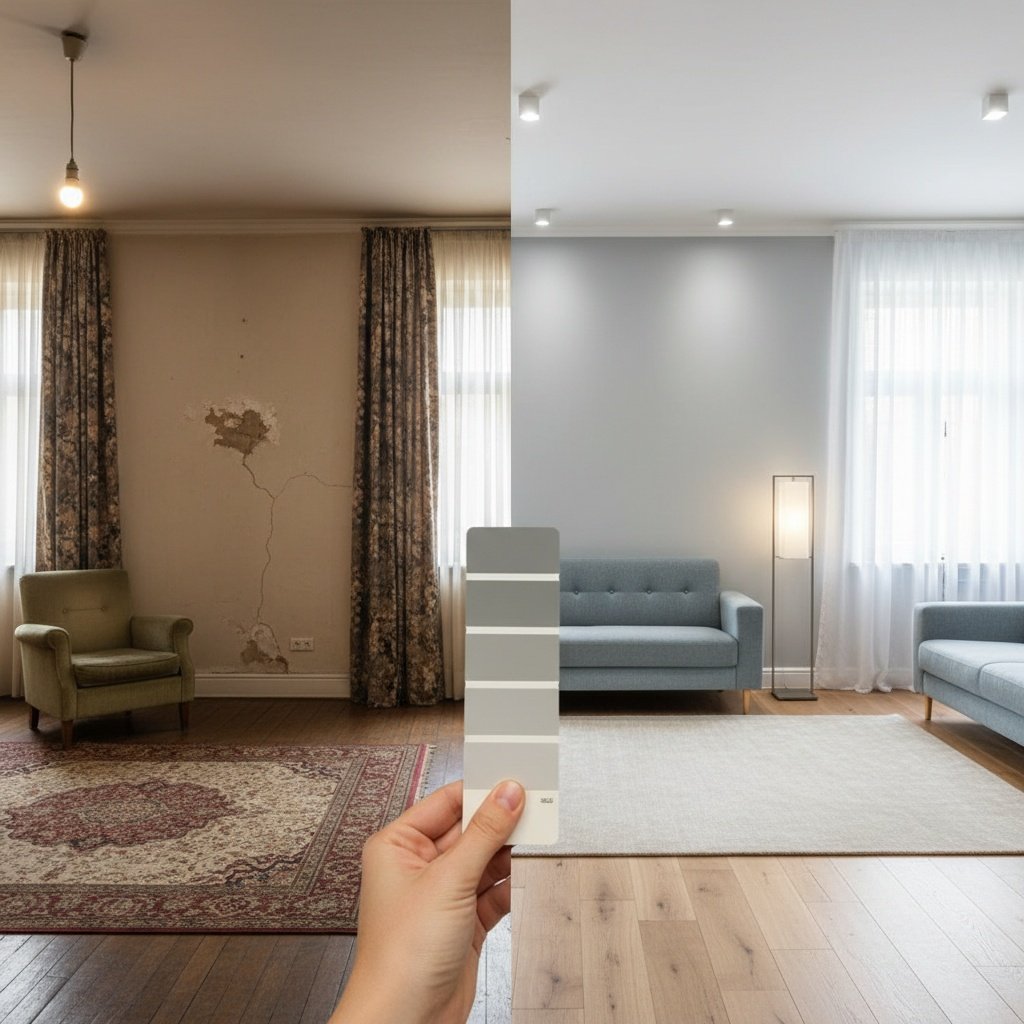
During the consultation, you’ll describe your goals while the contractor evaluates feasibility. This conversation covers everything from color preferences and fixture choices to structural modifications and permit requirements. Bringing inspiration photos helps communicate your vision, but experienced contractors will also explain what works practically in your specific space.
The contractor should ask detailed questions about how you use each room, pain points with current layouts, and must-have features versus nice-to-have additions. This information shapes a scope of work document that becomes the project roadmap. Review this document carefully because changes after work begins typically cost 20 to 30 percent more than items included in the original plan.

Securing Permits and Approvals
Many remodeling projects require building permits, especially when work involves structural changes, electrical work, or plumbing and repiping. Your contractor typically handles permit applications, but homeowners should understand what’s required in their city. Permit fees vary by project scope, and approval can take anywhere from a few days to several weeks depending on local building department workload.
Working without proper permits creates serious problems if you later sell your home. Inspectors may require unpermitted work to be opened up for inspection or even removed entirely. Beyond legal compliance, the permit process ensures work meets current building codes, which protect your family’s safety and your property value.
Demolition and Site Preparation
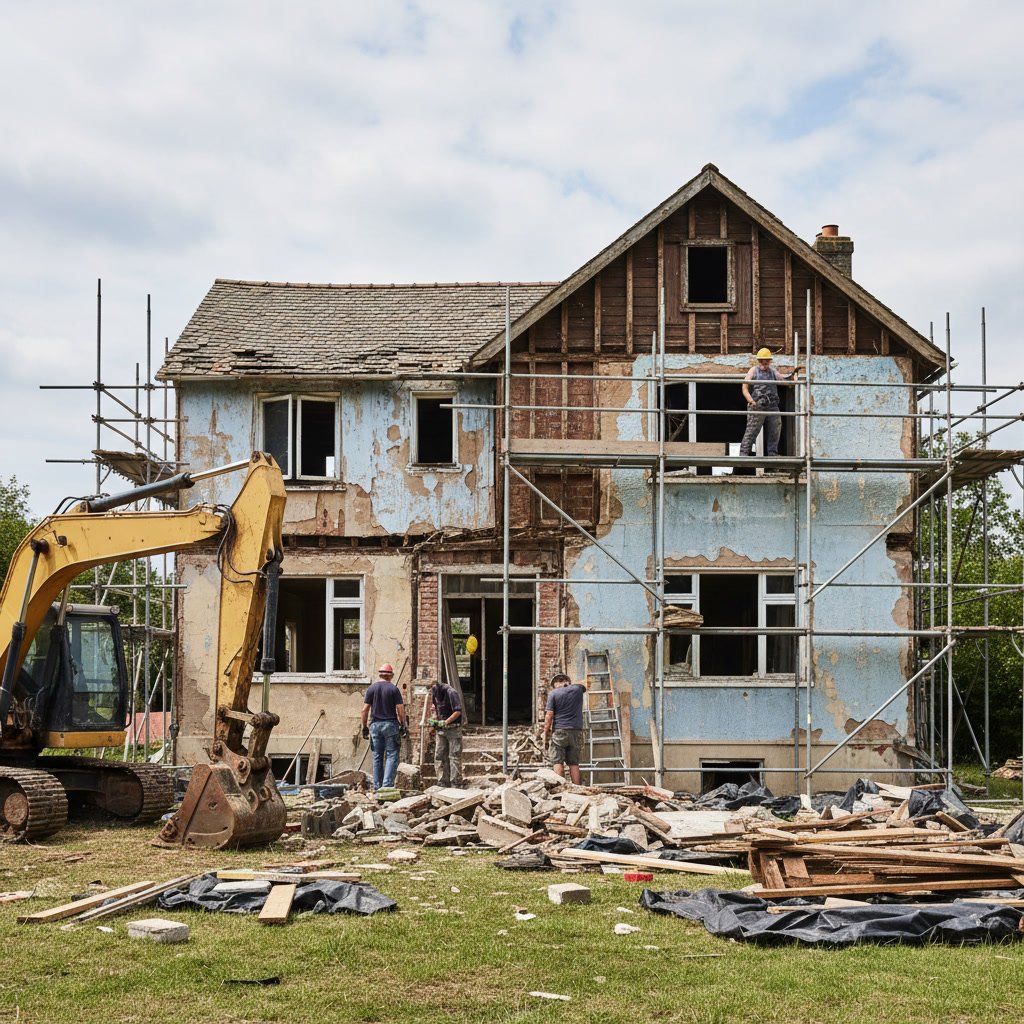
Once permits are approved and materials ordered, demolition begins. Contractors remove old fixtures, cabinets, flooring, and anything else being replaced. This phase generates significant dust and debris, so sealing off work areas with plastic barriers protects the rest of your home.
Demolition often reveals hidden issues like mold behind shower walls, outdated wiring, or subflooring damage. Experienced contractors in Richmond budget contingency time and funds for these discoveries. Addressing problems now prevents bigger headaches later, even though it may extend the timeline by several days.
Rough Work and Behind the Wall Systems
After demolition, rough work begins. This includes framing modifications, running new electrical lines, relocating plumbing, and installing HVAC components. Inspectors typically visit at this stage to verify code compliance before walls close up.
If your project includes kitchen remodeling, this phase involves positioning outlets at the right heights for appliances, installing proper venting for range hoods, and ensuring plumbing lines align with your new sink location. Precision here prevents frustrating adjustments later when cabinets are installed.
Surface Preparation and Finish Work
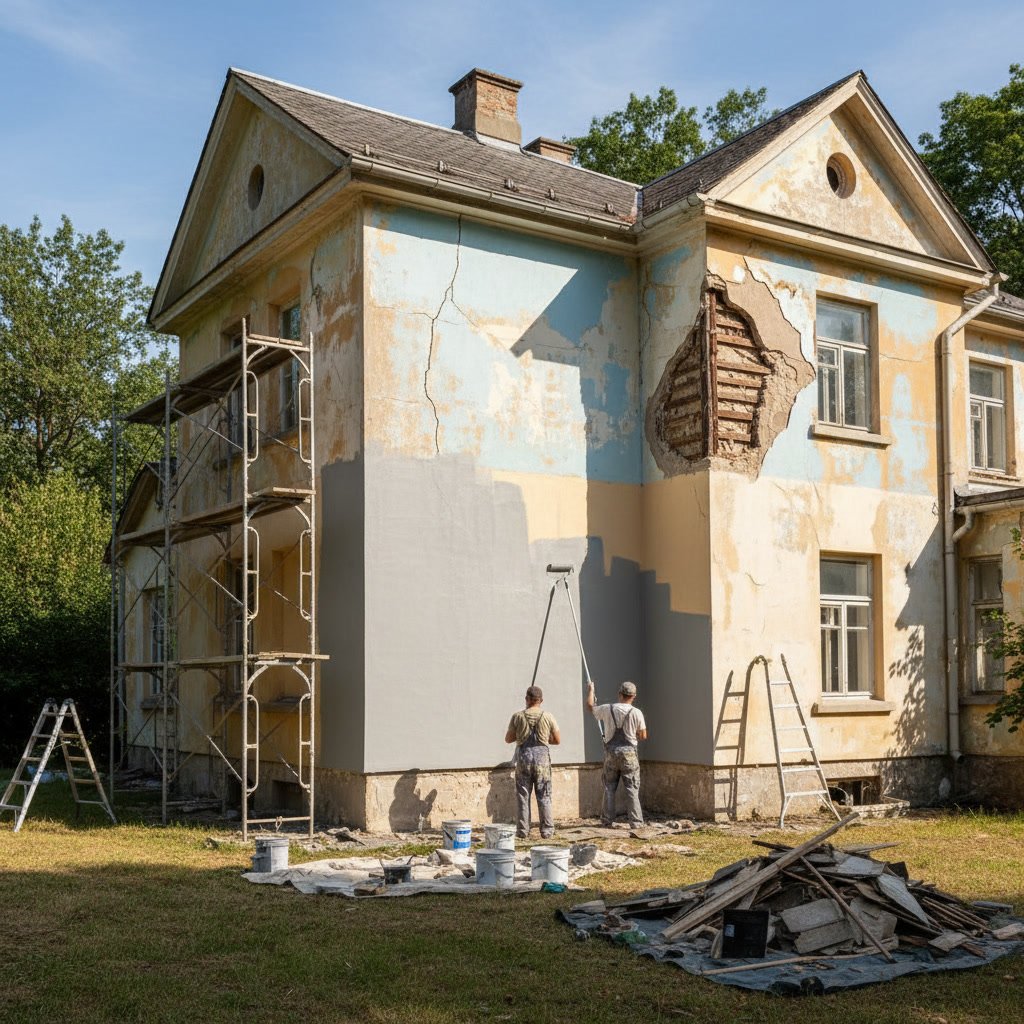
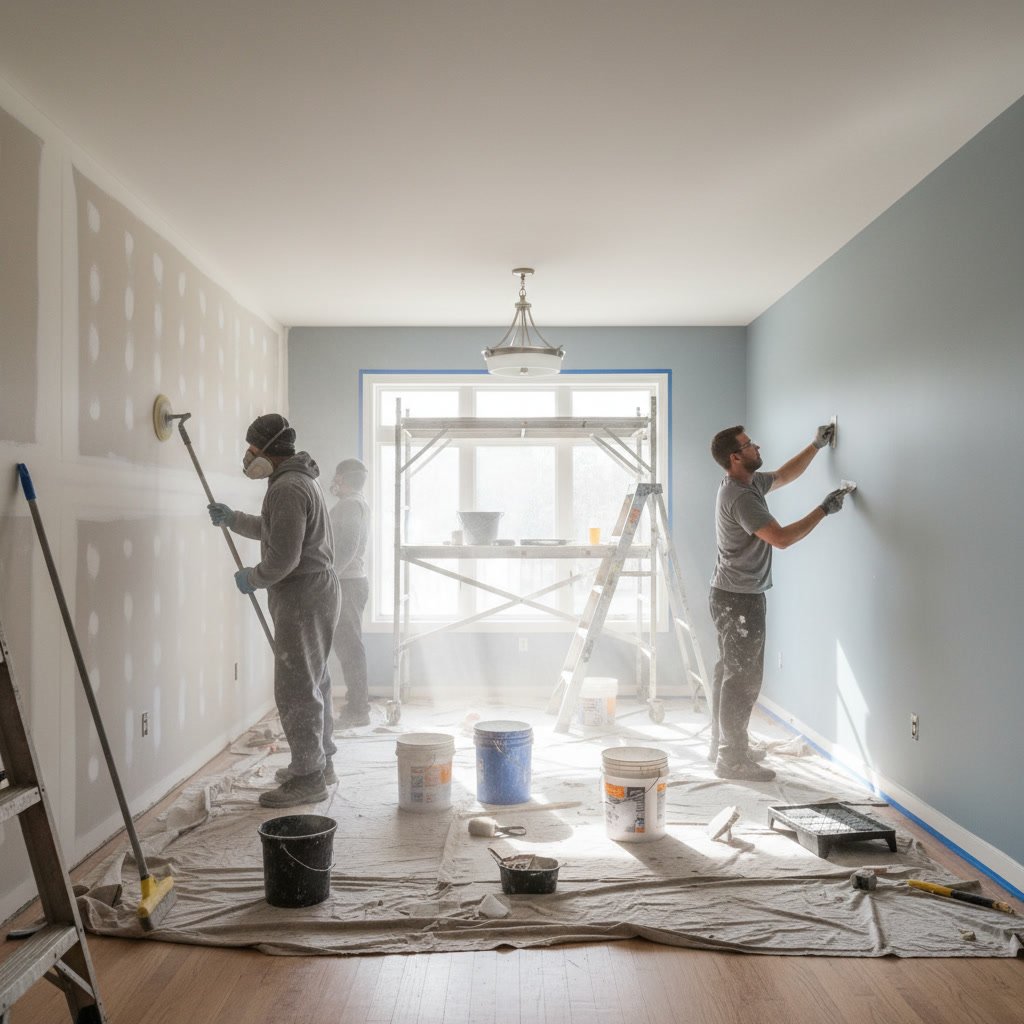
With structural and mechanical systems complete, attention shifts to surfaces. Drywall installation or repair comes first, followed by multiple rounds of mudding, sanding, and priming. Professional painters know that exterior and interior painting quality depends more on preparation than paint brand.
Walls receive texture matching if needed, then primer formulated for the substrate type. Proper priming prevents issues like tannin bleed-through on wood surfaces or adhesion problems on glossy existing paint. Skipping or rushing prep work shows immediately in the final result and often leads to callbacks within months.
Step by Step Installation Sequence
Finish installations follow a specific order to prevent damage and rework. Here’s the typical sequence:
- Flooring installation for materials like hardwood or tile work that need time to cure before heavy traffic
- Cabinet installation in kitchens and bathrooms, carefully leveled and secured to wall studs
- Countertop templating and installation, including cutting precise openings for sinks and cooktops
- Backsplash tile or other wall treatments in wet areas
- Interior painting, starting with ceilings, then walls, then trim
- Fixture installation including lighting, plumbing fixtures, and hardware
- Final flooring for materials like carpet or luxury vinyl installed after painting
Each trade may visit multiple times as the project progresses. Electricians return after painting to install switch plates and light fixtures. Plumbers come back to connect sinks and faucets after countertops are set. Coordinating this schedule efficiently separates experienced contractors from those who cause unnecessary delays.
Quality Control Throughout the Process
Reputable contractors perform regular quality checks rather than waiting until the end. They verify measurements before cutting expensive materials, check tile layout before setting anything in mortar, and inspect paint coverage under different lighting conditions. This ongoing attention catches mistakes when they’re easy to fix.
Homeowners should feel comfortable asking questions and pointing out concerns during the project. Good contractors welcome involvement and provide updates on progress and any issues encountered. If something doesn’t look right, speak up immediately rather than hoping it will improve as work continues.
The Final Walkthrough and Punch List
Before considering the project complete, schedule a thorough walkthrough with your contractor. Examine every detail with fresh eyes, checking paint coverage, tile alignment, cabinet operation, and fixture function. Create a punch list documenting any items needing attention, from touch-up paint to a drawer that sticks.
Most contractors expect a reasonable punch list and schedule a day to address these final items. This isn’t the time to request changes to the agreed scope, but legitimate quality issues should absolutely be corrected. Take photos of completed work for your records and to document the transformation.

Timeline Expectations and Common Delays
A full home renovation touching multiple rooms typically takes six to twelve weeks from start to finish. Smaller projects like a single bathroom remodeling may complete in three to four weeks, while whole-house projects can extend several months.
Common delays include special-order materials arriving late, weather preventing exterior work, permit approval taking longer than expected, or hidden conditions requiring additional work. Buffer time into your expectations, especially if you’re planning around an event or deadline. Rushing contractors to meet unrealistic timelines compromises quality and often backfires.
Bringing Your Vision to Life
Understanding the full scope of a renovation helps you prepare mentally, financially, and logistically for the journey ahead. While the process involves temporary disruption, the result transforms how you experience your home daily. Clear communication, realistic expectations, and choosing experienced professionals make the difference between a stressful ordeal and a manageable project with excellent results.
With over 30 years of experience, Murillo Construction Painting and Remodeling has guided countless homeowners through successful renovations. Our team coordinates every phase carefully, maintains open communication, and delivers quality craftsmanship that stands the test of time. If you’re ready to start your home transformation, reach out to discuss your project and get a detailed estimate. Call +15106609596 to schedule your consultation.