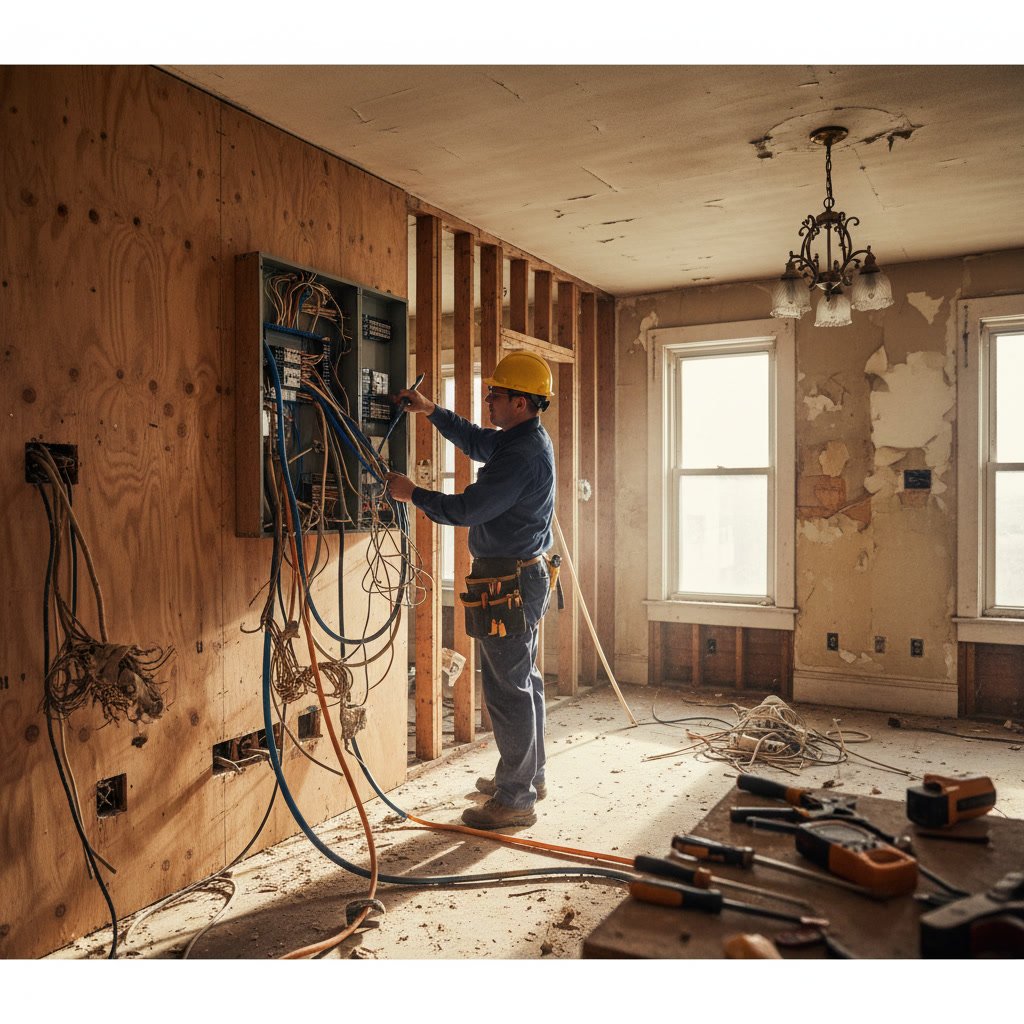
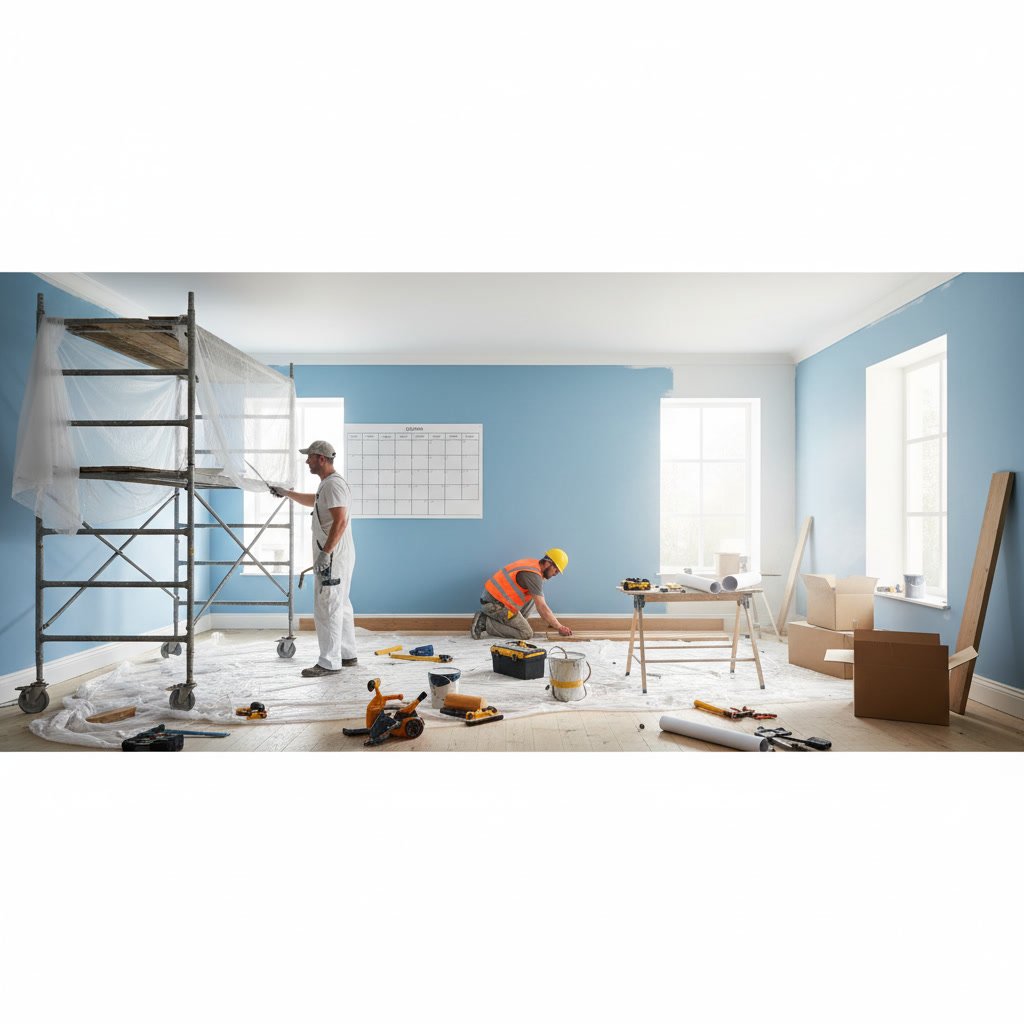
Combined painting and remodeling projects typically take 4 to 12 weeks depending on scope, room size, and whether electrical or plumbing work is involved. Understanding each phase helps you plan around your schedule and avoid surprises. The painting and remodeling timeline varies based on the type of renovation, the condition of your home, and the complexity of finishes you choose.
Why Combined Projects Take Longer Than Standalone Work
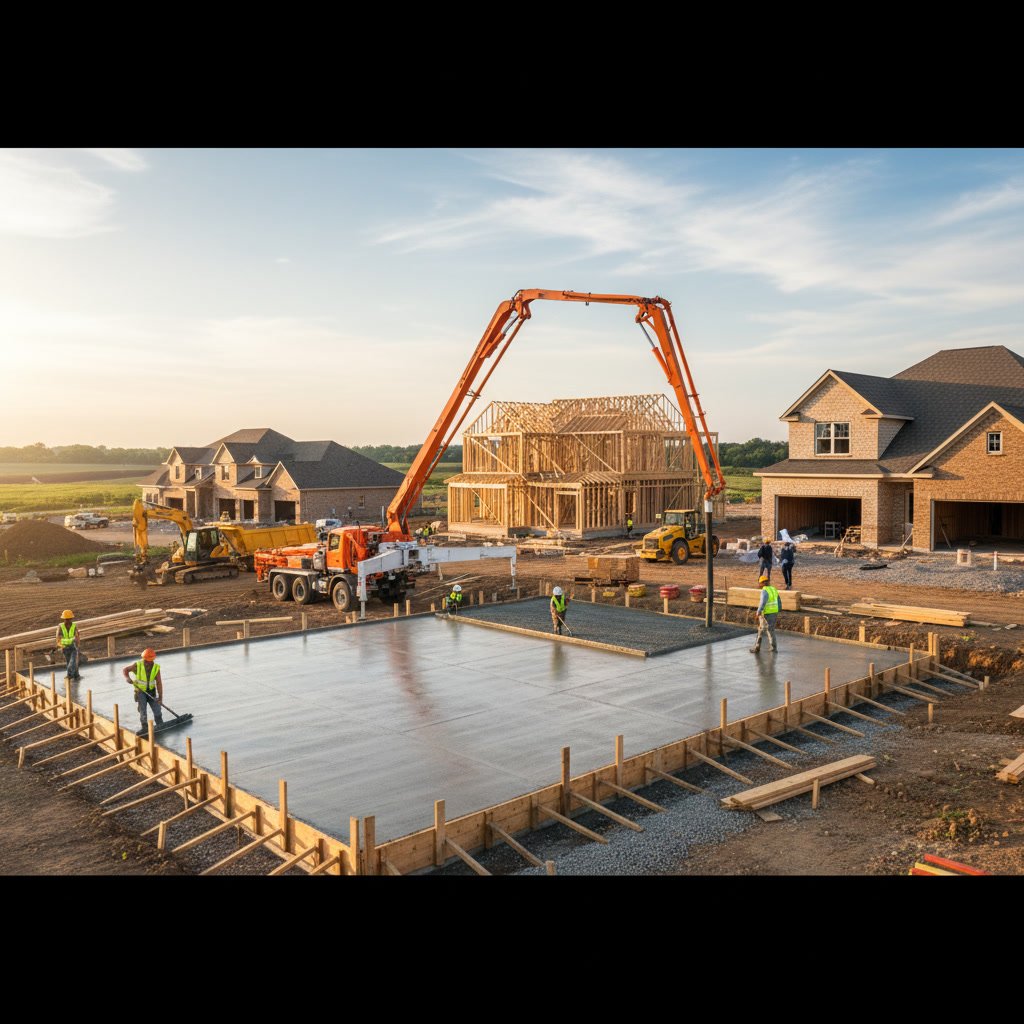
When you combine remodeling with painting, the work must follow a specific sequence. Demolition comes first, then rough construction like framing or drywall repair, followed by finish work such as cabinetry or tile, and finally painting. Each phase relies on the previous one being completed and inspected. A standalone paint job might take a week, but adding structural changes, new fixtures, or custom finishes extends the schedule significantly.
Weather, material delivery delays, and permit approval times also affect combined projects more than simple paint refreshes. If your project includes electrical work or replumbing, inspections add additional days between phases.
Typical Timeline for a Kitchen Renovation With Painting
A full kitchen remodeling project that includes new cabinets, countertops, appliances, and interior painting generally takes 6 to 10 weeks. The first week involves demolition and removal of old fixtures. Weeks two and three focus on rough plumbing, electrical runs, and drywall repairs. Weeks four through six cover cabinet installation, countertop templating and installation, and appliance hookups. The final two to four weeks include backsplash tile, trim carpentry, and multiple coats of paint on walls, ceilings, and trim.
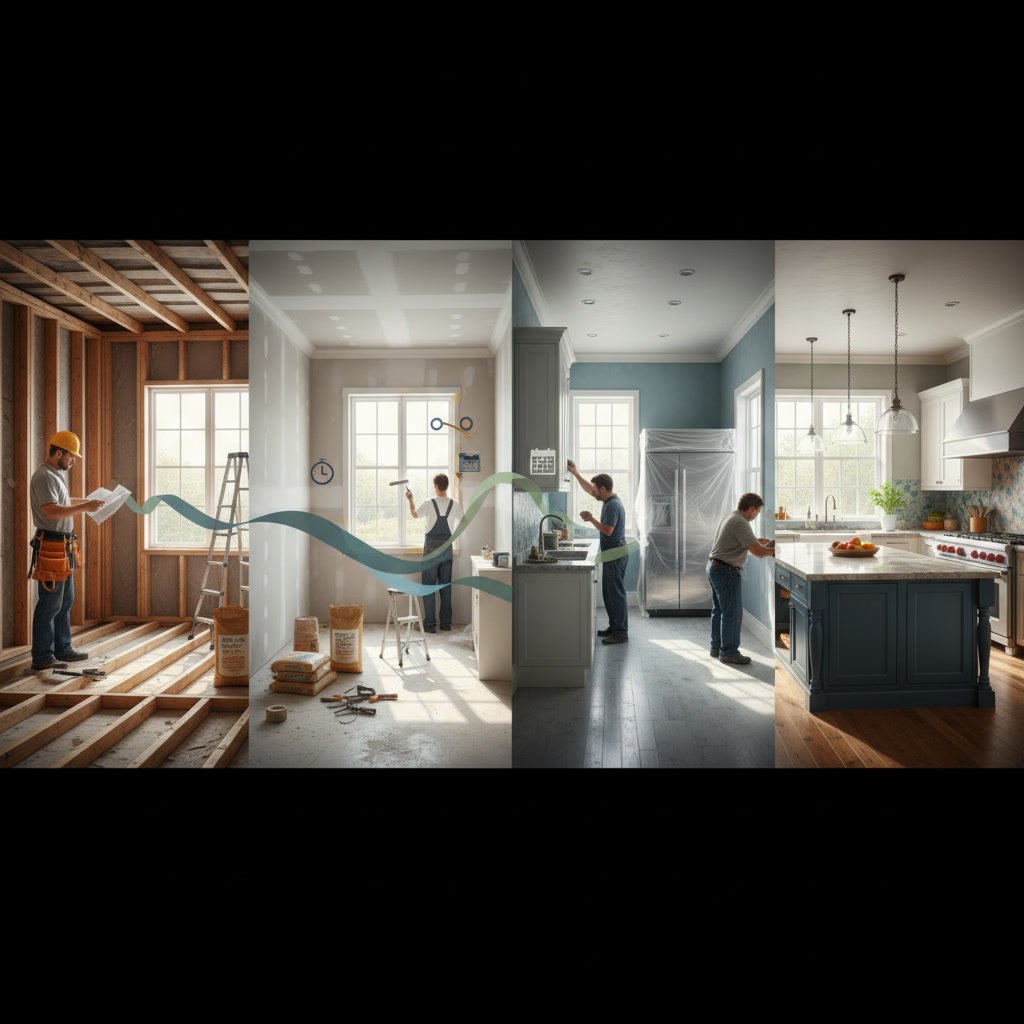
Custom cabinetry or specialty finishes like textured walls can add another two to three weeks. If you are replacing flooring or installing new lighting fixtures, expect the upper end of the timeline. Many homeowners underestimate how long paint curing takes between coats, especially in humid conditions or when using high-quality enamels on trim.
Bathroom Remodel and Paint Duration
A standard bathroom remodeling project with new tile, fixtures, and painting takes 4 to 6 weeks. Demolition and rough plumbing adjustments happen in the first few days. Tile installation and waterproofing require careful drying time between steps, often taking a full week for shower surrounds or tub alcoves. After tile and grout cure, vanity installation and fixture mounting follow.
Painting a bathroom requires extra ventilation planning and moisture-resistant primers. If you are upgrading exhaust fans or adding recessed lighting, electrical work extends the schedule by several days. Smaller powder rooms may finish in three weeks, while master suites with custom tile work or luxury finishes can stretch to eight weeks.
Whole-Home Exterior and Interior Projects in Richmond
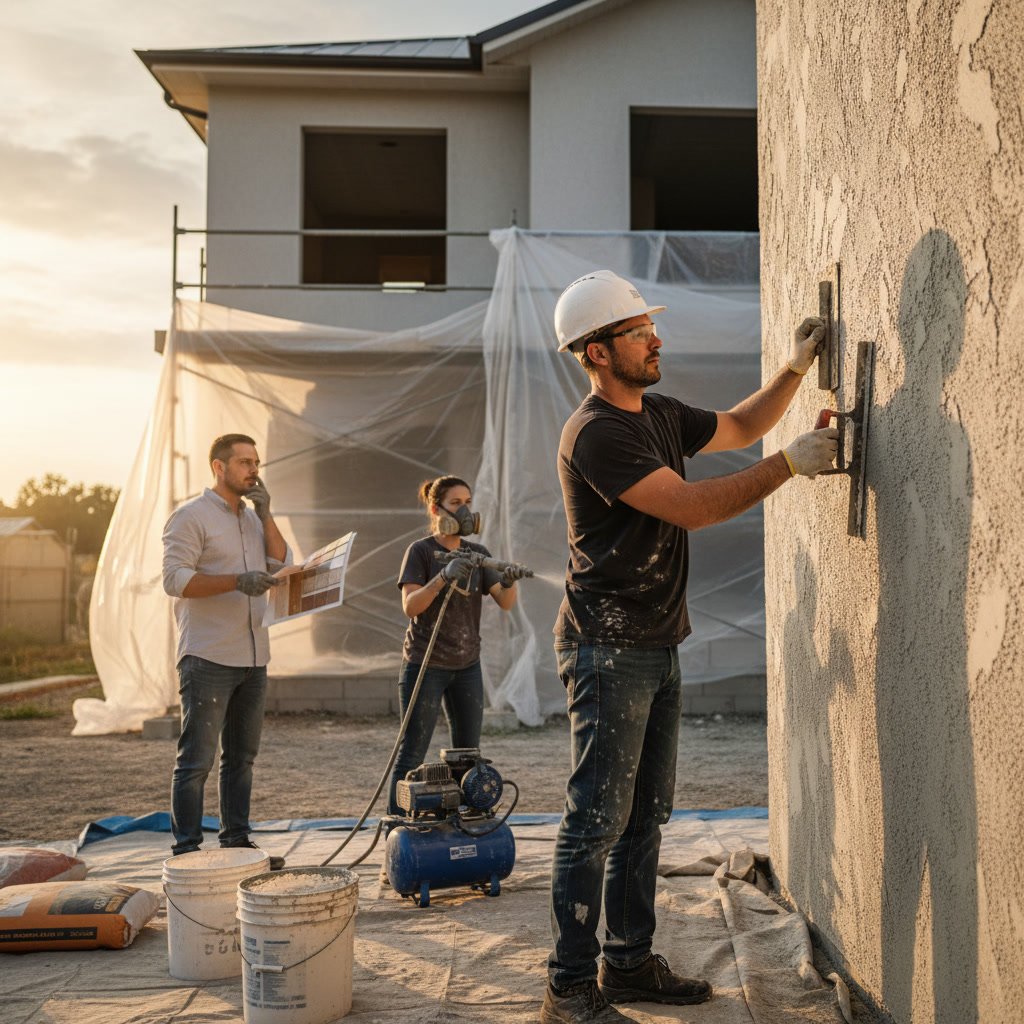
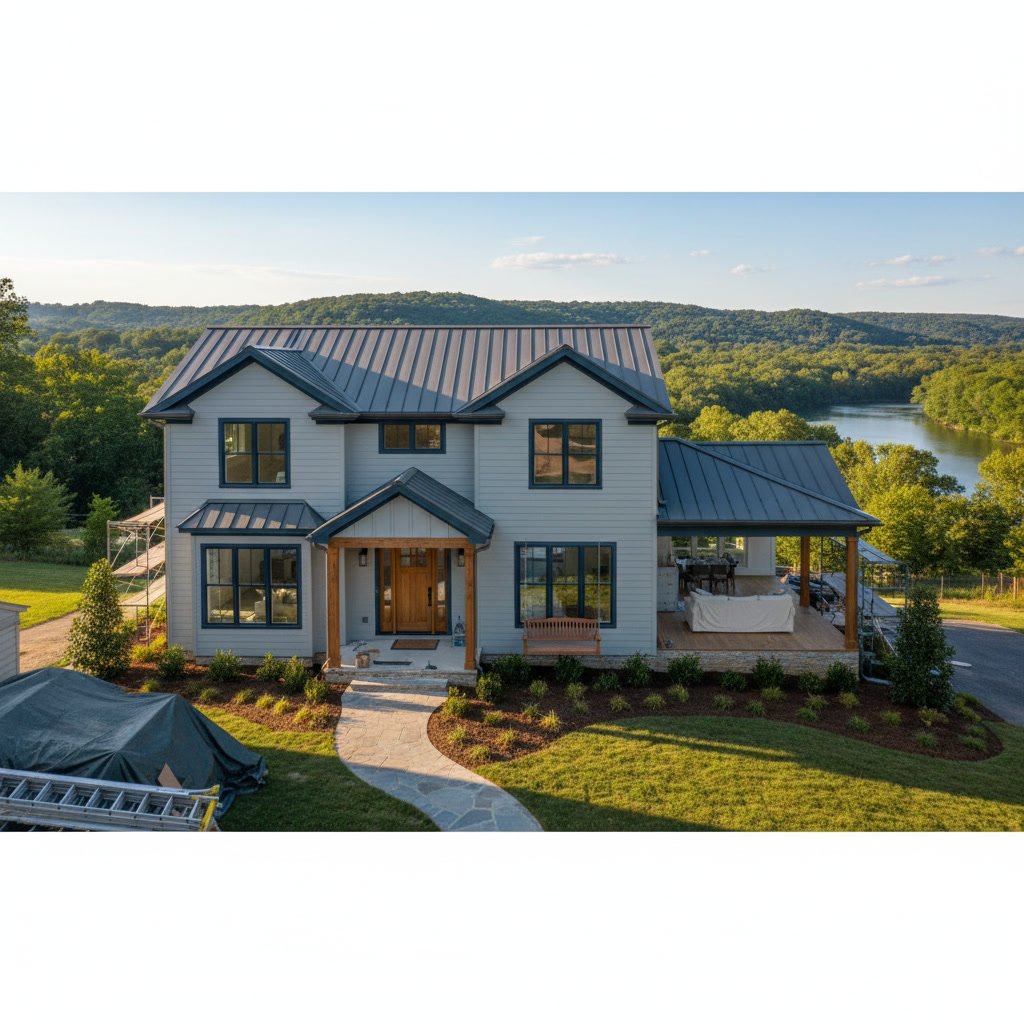
Whole-home projects that combine exterior and interior painting with structural updates take 8 to 12 weeks or longer. Exterior work depends heavily on weather. Painting siding, trim, and accents requires consecutive dry days, and rain delays are common in the Bay Area during fall and winter months. Interior remodeling can continue during light rain, but exterior crews must pause.
Murillo Construction Painting and Remodeling typically schedules exterior painting first when weather permits, then shifts crews indoors as rooms become ready. This approach maximizes efficiency and keeps the project moving even if weather interrupts outdoor work. For clients in Richmond and surrounding areas, planning these projects for late spring through early fall reduces weather-related delays.
How Structural Changes Affect Your Schedule
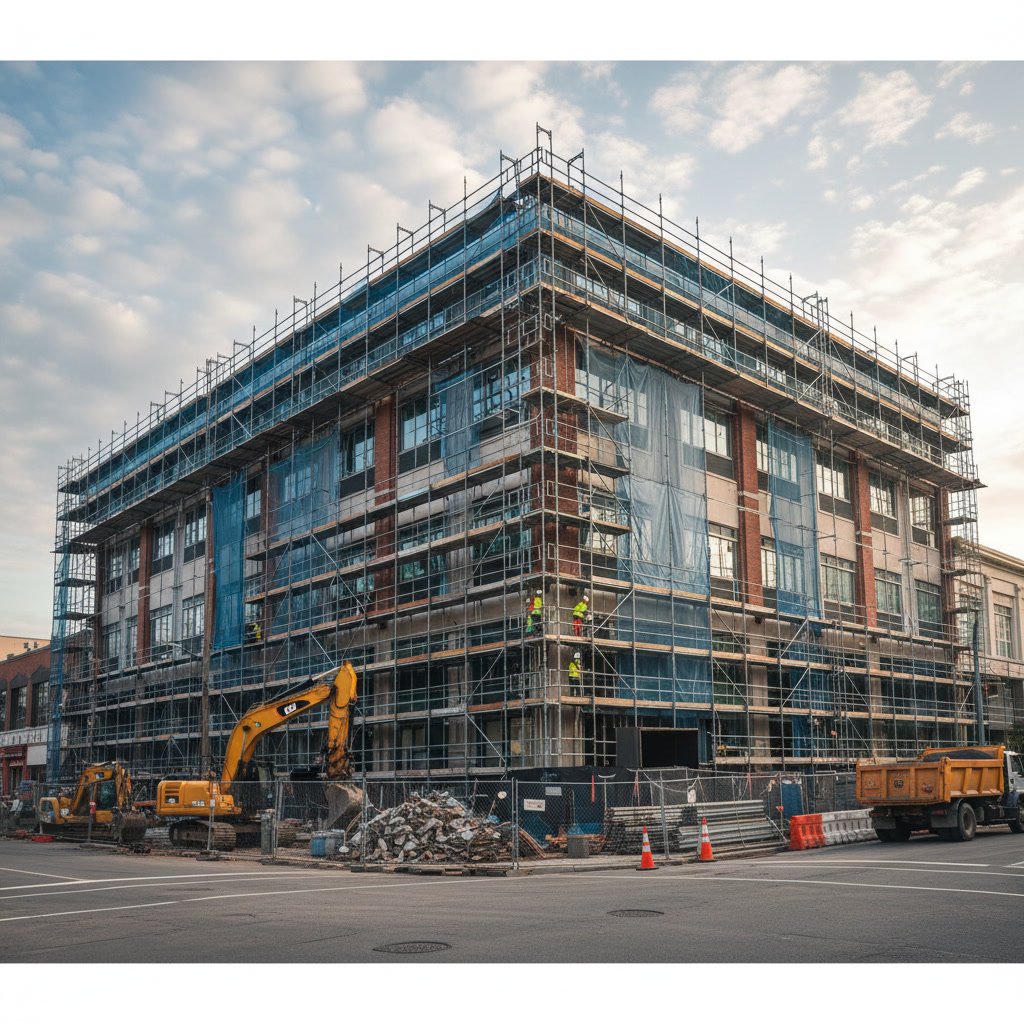
Removing walls, adding windows, or relocating doors significantly lengthens timelines. Structural changes require engineering review, permit approval, and inspections at multiple stages. A project that includes opening a kitchen to a living room might add three to four weeks compared to a cosmetic update with new paint and cabinets in the existing layout.
Framing changes require drywall installation, taping, multiple coats of joint compound, sanding, priming, and final paint. Each step needs drying time. Rushing drywall finishing leads to visible seams and texture mismatches that become obvious once paint goes on. Experienced contractors know that proper surface preparation takes nearly as long as the painting itself but determines the quality of the final result.
Comparing Small, Medium, and Large Project Timelines
Small projects like repainting a single room with minor repairs take one to two weeks. This includes patching holes, sanding, priming, and two finish coats. Medium projects such as updating a kitchen or bathroom with new finishes and paint require four to eight weeks. Large projects involving multiple rooms, structural changes, or whole-home interior and exterior work span 10 to 16 weeks.
Here is a breakdown of typical durations:
- Single room paint and minor repair: 1 to 2 weeks
- Bathroom remodel with tile and paint: 4 to 6 weeks
- Kitchen remodel with cabinets, counters, and paint: 6 to 10 weeks
- Whole-home interior remodel and paint: 8 to 12 weeks
- Full exterior and interior combined project: 10 to 16 weeks
These ranges assume normal conditions with no major surprises during demolition, timely material delivery, and standard finishes. Custom millwork, imported tile, or specialty paint finishes add time.
The Role of Material Selection and Lead Times
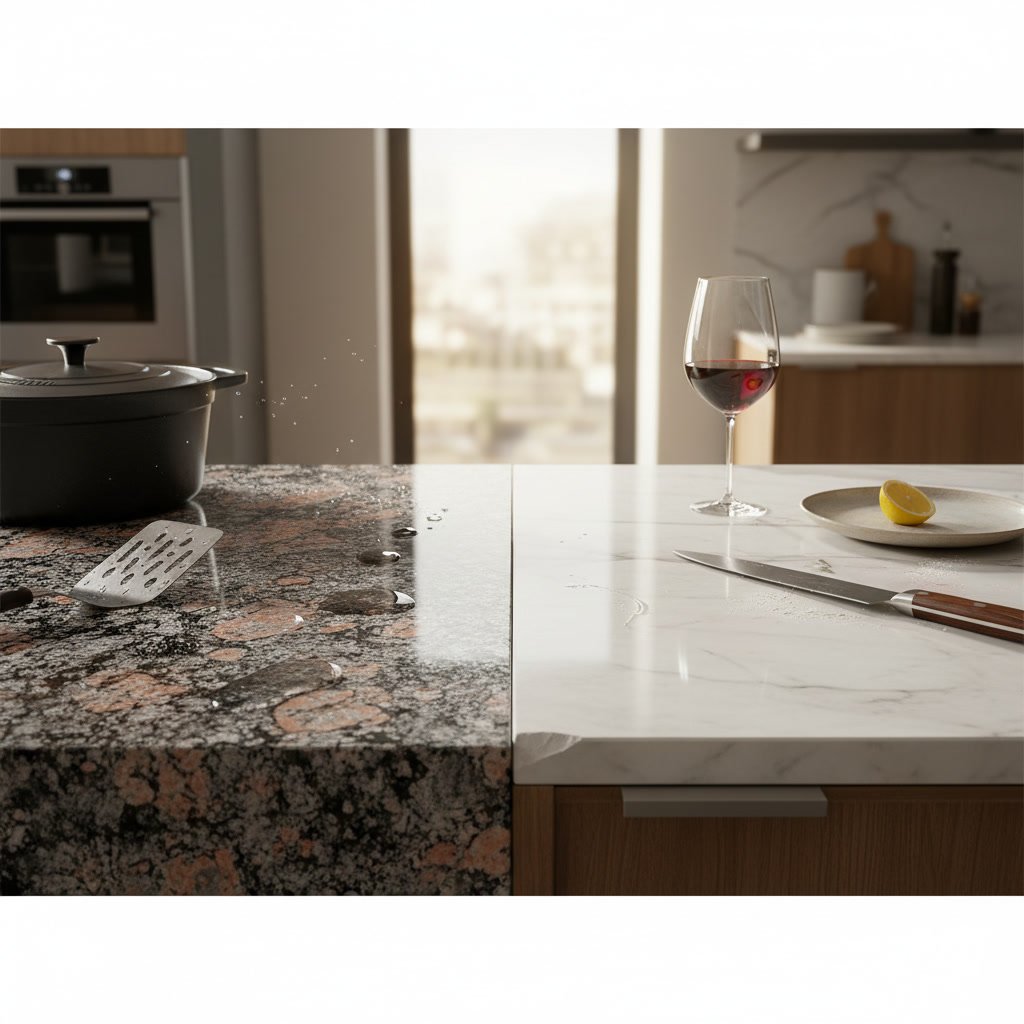
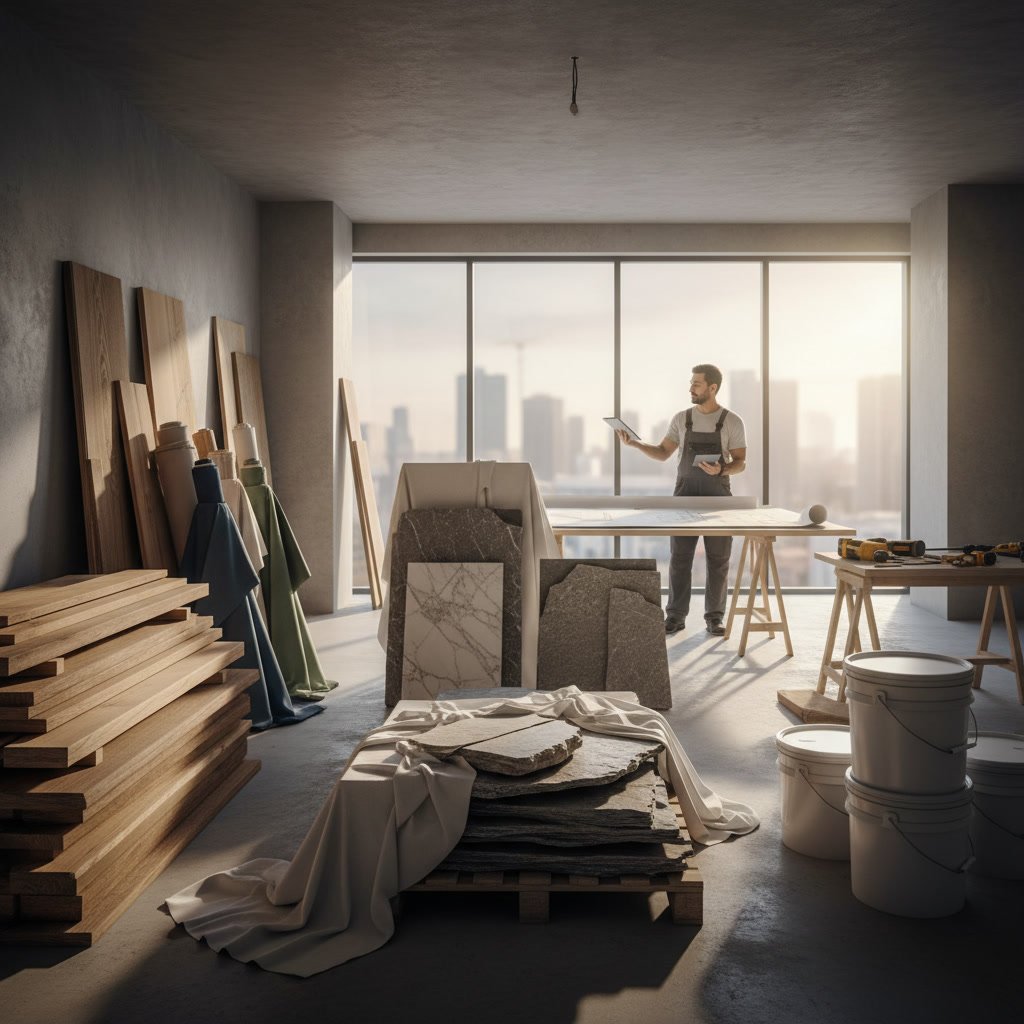
Standard materials like common paint colors, stock cabinets, and widely available tile usually arrive within days. Custom or specialty items can take weeks or even months. Ordering custom cabinets often requires six to eight weeks from order to delivery. Natural stone countertops need templating after cabinets install, then fabrication and installation add another two weeks.
Paint colors are rarely a delay, but specialty finishes like venetian plaster or metallic glazes require skilled application and longer drying times. If your project includes these elements, discuss lead times early. Contractors build material wait times into schedules, but late orders or backorders can stall entire projects. Confirming all selections before demolition begins prevents costly delays.
Permits, Inspections, and Buffer Days
Permit approval times vary by city and project scope. Simple cosmetic work rarely requires permits, but electrical, plumbing, or structural changes do. In the Bay Area, permit review can take one to three weeks. Once work begins, inspections happen at key milestones: rough framing, rough electrical and plumbing, and final. Each inspection may require a day or two of waiting for the inspector to arrive and approve the work before the next phase starts.
Smart contractors build buffer days into schedules to account for inspection delays, material delivery issues, or unexpected conditions discovered during demolition. A project quoted at eight weeks might have a working schedule of nine weeks internally to absorb minor setbacks without pushing the final completion date.
What Slows Down Combined Projects Most Often
Unforeseen issues revealed during demolition are the most common cause of delays. Hidden water damage, outdated wiring that does not meet code, or structural rot require additional repair work. Discovering mold behind bathroom tile or termite damage in framing can add a week or more while remediation happens.
Indecision on finishes also extends timelines. Changing tile selections after ordering delays installation. Switching paint colors after priming means additional coats. Finalizing all design choices before work begins keeps projects on track. Late changes always cost time and usually money.
Weather affects exterior work and limits ventilation for interior painting. High humidity or cold temperatures slow paint drying. Contractors adjust schedules when conditions are not ideal, but this can push timelines back by days or weeks depending on severity.
Planning Your Project for Minimal Disruption
Living in your home during a combined remodel is challenging but manageable with good planning. Kitchen projects mean weeks without cooking facilities, so setting up a temporary kitchenette in another room helps. Bathroom remodels require access to another bathroom in the home or arrangements for showering elsewhere.
Dust containment barriers, daily cleanup, and clear communication about which areas remain accessible reduce frustration. Some homeowners choose to stay elsewhere during the messiest phases. If that is not an option, staging the work room by room instead of all at once spreads the disruption but lengthens the overall timeline. Discussing these tradeoffs with your contractor before starting helps set realistic expectations.
Bringing Your Project to a Smooth Finish
Understanding the factors that shape your timeline helps you plan effectively and reduces stress during the work. Most combined painting and remodeling projects take between one and three months depending on scope, materials, and site conditions. Choosing experienced professionals, finalizing design decisions early, and building in buffer time for inspections and surprises keeps your project moving forward.
Murillo Construction Painting and Remodeling has completed hundreds of projects across the Bay Area over three decades, refining scheduling and coordination to deliver quality results on realistic timelines. If you are planning a renovation and want a clear timeline tailored to your specific project, reach out for a consultation. Call +15106609596 to discuss your goals and get a detailed project plan that fits your schedule.