Property owners across the East Bay are discovering that accessory dwelling units offer one of the smartest ways to add living space, generate rental income, or house extended family on existing lots. ADU construction Berkeley and Albany homeowners are pursuing has evolved significantly in recent years, thanks to streamlined permitting processes and updated zoning regulations that make these projects more accessible than ever.
This guide walks through residential construction ideas specifically suited to Berkeley and Albany properties, covering everything from layout configurations to material choices that make sense in the Bay Area climate. Whether you’re considering a detached studio, a two-story unit, or a garage conversion, understanding your options early helps create realistic budgets and timelines.
Why Homeowners Choose ADU Construction
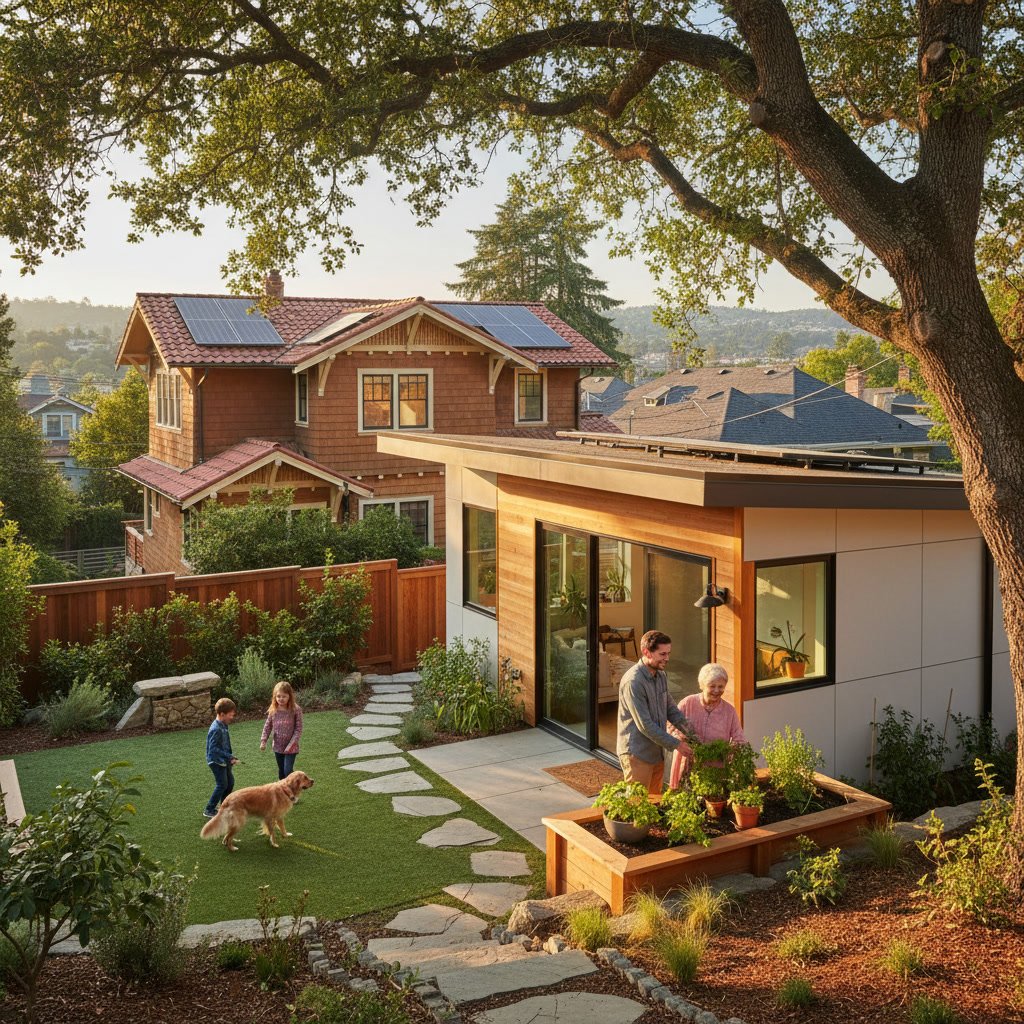
Accessory dwelling units solve multiple challenges at once. A well-designed ADU can house aging parents who want to stay close but maintain independence, provide a private space for adult children, or generate consistent rental income in one of the country’s most valuable housing markets.
Berkeley and Albany both fall within Alameda County’s high-demand rental market. Monthly rental rates for a one-bedroom ADU in these areas typically range from $2,200 to $3,500, depending on size, finishes, and proximity to BART stations or UC Berkeley. That income can offset mortgage costs or fund other home improvements.
Beyond financial considerations, ADUs increase property values. Real estate appraisers typically assign $150,000 to $250,000 in added value for a finished ADU, though the exact figure depends on square footage, construction quality, and neighborhood comparables.
Popular ADU Layouts for East Bay Properties
The right layout depends on your lot configuration, existing structures, and how you plan to use the space. Most Berkeley and Albany lots accommodate one of these four common ADU types.
Detached New Construction ADUs
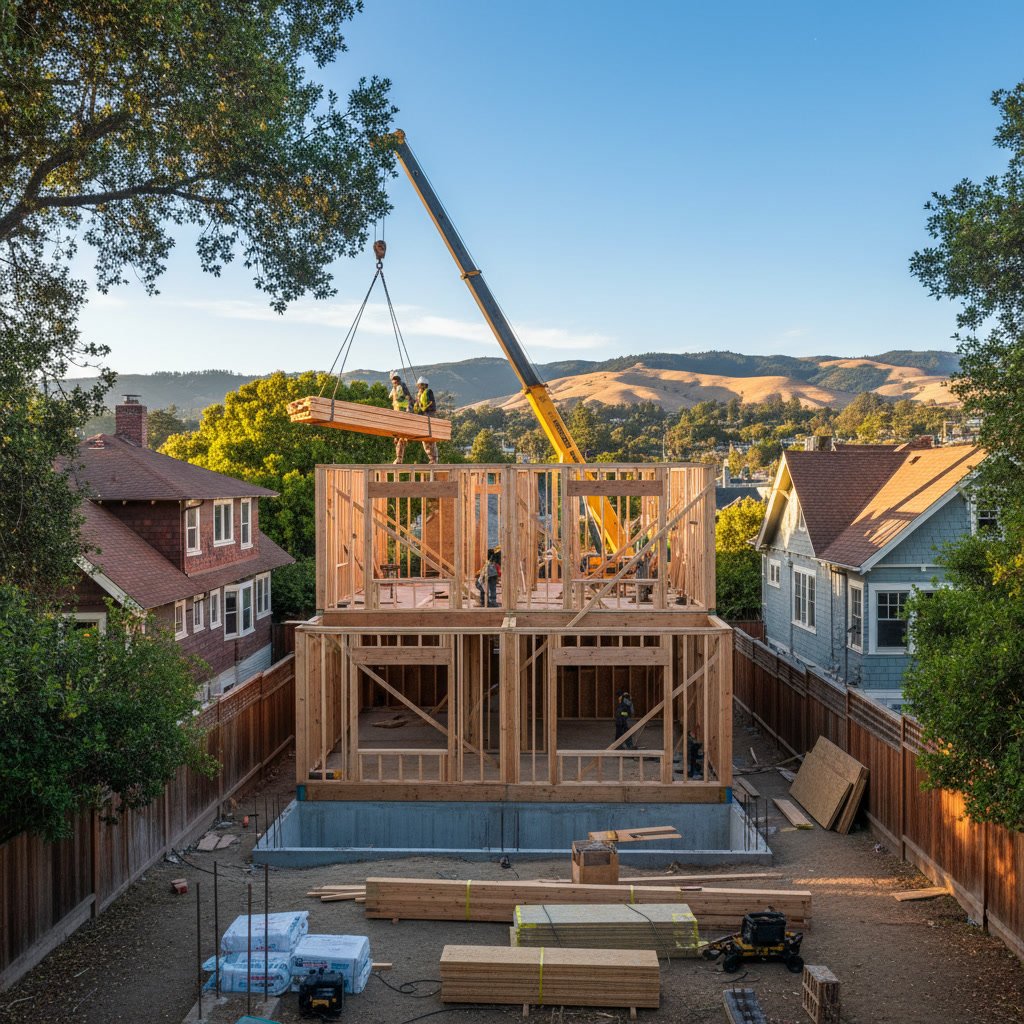
A ground-up detached unit offers maximum design flexibility. These structures typically range from 600 to 1,200 square feet and can include full kitchens, bathrooms, living areas, and one or two bedrooms. Detached ADUs work well on lots with underutilized backyard space or side yards that meet setback requirements.
Berkeley requires a minimum four-foot setback from rear and side property lines for detached ADUs, though some exceptions apply based on lot configuration. Albany follows similar guidelines but may offer reduced setbacks for lots smaller than 5,000 square feet.
Garage Conversion ADUs
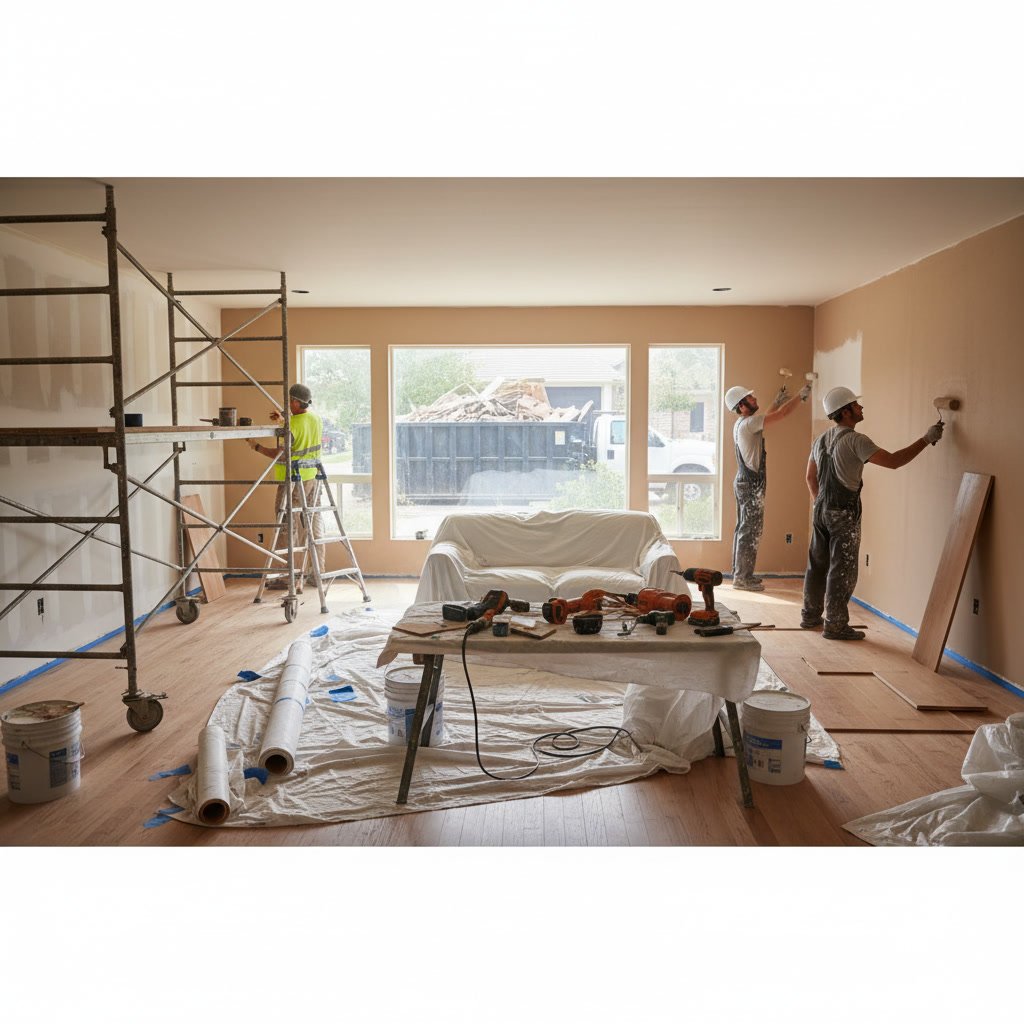
Converting an existing garage into living space represents one of the most cost-effective ADU paths. Structural walls, foundation, and roofing already exist, which reduces construction time and expense. However, garage conversions require electrical work, plumbing and repiping, insulation, interior finishes, and window additions to meet residential building codes.
Many Berkeley properties built before 1960 have detached garages that convert particularly well. The typical one-car garage (roughly 200 to 300 square feet) can become a studio with kitchenette and full bathroom, while two-car garages offer enough space for a one-bedroom layout.
Attached ADUs and Bump-Outs
Adding onto your existing home creates an ADU that shares one or more walls with the main house. These attached units often connect to existing utility lines more easily than detached structures, which can reduce costs for electrical, plumbing, and gas installations.
Attached ADUs work well on narrow lots where building a separate structure would consume too much yard space. They also suit homeowners who want an in-law suite with interior access from the main house.
Above-Garage ADUs
Building a second story above an existing garage maximizes lot usage without sacrificing yard space. This approach requires engineering analysis to confirm the existing garage foundation and walls can support additional weight. In many cases, structural reinforcement is necessary, which adds cost but still typically comes in below the price of a fully detached new build.
Above-garage units in Berkeley and Albany range from 500 to 900 square feet and usually include one bedroom, a bathroom, and an open-plan kitchen and living area.
Design Considerations for Berkeley and Albany Climates
The Bay Area’s Mediterranean climate influences material choices and design features that keep ADUs comfortable year-round without excessive energy costs.
Summers bring warm, dry weather with temperatures regularly reaching the 70s and 80s. Quality insulation and strategically placed windows that encourage cross-ventilation reduce or eliminate the need for air conditioning. Many homeowners install ceiling fans and operable skylights to move air naturally.
Winters are mild but damp, with most annual rainfall occurring between November and March. Proper drainage around the ADU foundation, quality exterior paint or stucco finishes, and correctly installed flashing around windows and doors prevent moisture intrusion.
Pro Tip: Specify dual-pane or triple-pane windows for your ADU. The upfront cost difference is modest, but the long-term savings on heating and cooling, plus improved sound insulation from street noise, make it worthwhile in urban East Bay locations.
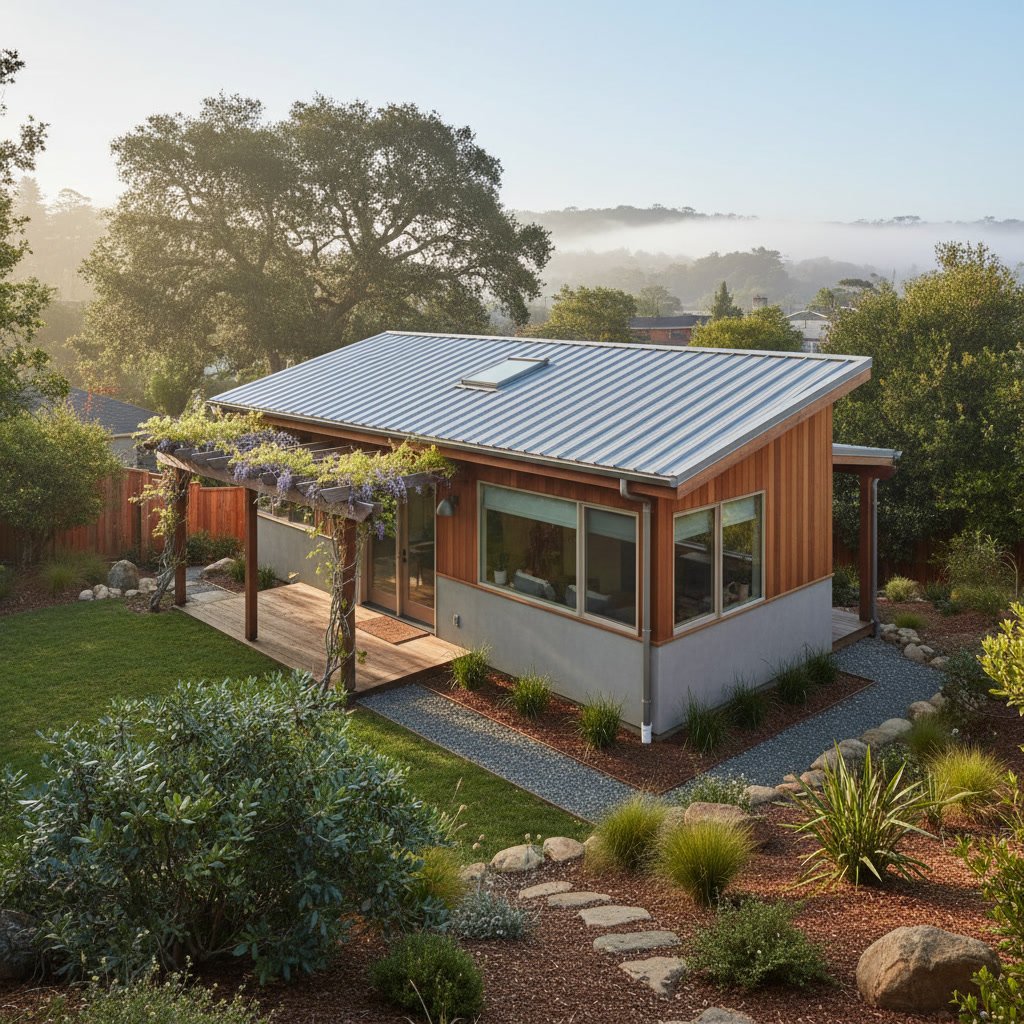
Exterior materials should withstand UV exposure and occasional heavy rain. Fiber cement siding, stucco, and quality exterior paint systems all perform well in Berkeley and Albany. Metal roofing has grown popular for ADUs because it lasts 40 to 70 years with minimal maintenance and reflects summer heat effectively.
Interior Finishes That Balance Cost and Appeal
ADU interiors should balance durability, aesthetics, and budget. If you plan to rent the unit, finishes need to withstand tenant turnover while still commanding competitive rental rates.
Flooring choices typically include luxury vinyl plank, which mimics hardwood at a fraction of the cost and holds up well to moisture and wear. Tile works well in bathrooms and kitchen areas. Both options are common in residential construction projects throughout the East Bay.
Kitchen and bathroom countertops in rental ADUs often use quartz or solid surface materials rather than natural stone. These engineered surfaces resist staining and require less maintenance than marble or granite, though natural stone remains popular for owner-occupied or high-end rental units.
Cabinetry quality significantly impacts both appearance and longevity. Mid-grade plywood box cabinets with soft-close hinges and solid wood or thermofoil doors provide good value. Custom cabinets add cost but allow you to maximize storage in compact ADU floor plans where every square foot counts.
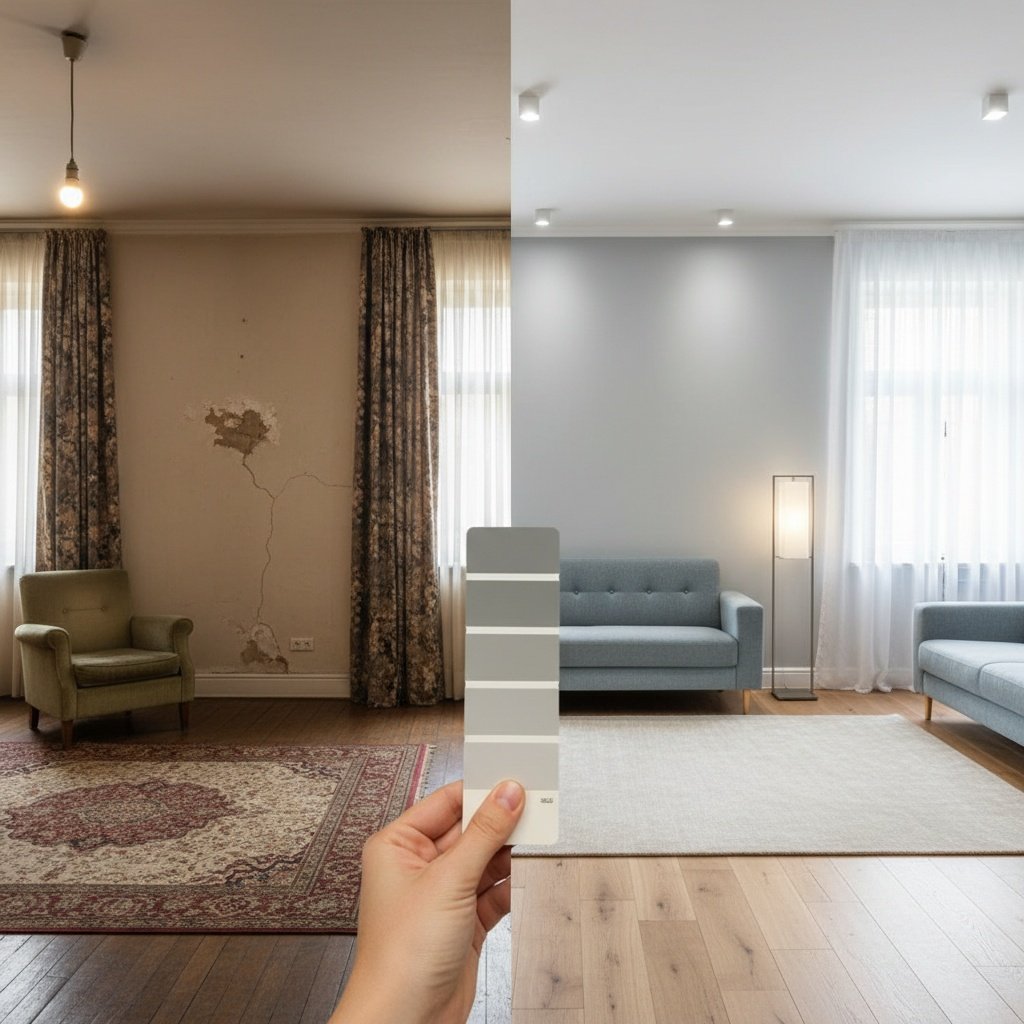
Paint color selection leans toward neutral palettes that appeal to broad audiences and make small spaces feel larger. Whites, soft grays, and warm beiges dominate current ADU interiors, with accent walls or colorful tile backsplashes adding personality without overwhelming compact rooms.
Navigating Berkeley and Albany ADU Regulations
Both cities have embraced state legislation that streamlines ADU approvals, but local requirements still vary in important ways.
Berkeley allows ADUs up to 1,200 square feet or 75% of the existing primary dwelling size, whichever is smaller. The city has eliminated minimum lot size requirements for most ADU types, which means even small urban parcels can accommodate a unit. Owner-occupancy requirements were removed as of 2020, opening ADU construction to investment property owners and landlords.
Albany permits ADUs up to 850 square feet on lots under 6,000 square feet, and up to 1,200 square feet on larger lots. The city maintains a streamlined approval process for projects that meet objective design standards, typically processing compliant applications within 60 days.
Both jurisdictions require ADUs to provide at least one parking space unless the property sits within half a mile of a transit station or on a street where parking permits are required. Many Berkeley and Albany properties near BART or AC Transit lines qualify for parking exemptions, which frees up yard space and reduces site work costs.
Fire safety codes in both cities require smoke detectors, carbon monoxide detectors, and proper egress windows in bedrooms. ADUs over 400 square feet need separate utility meters for electricity, though water and gas can remain on the main house meter in some configurations.
Realistic Budget Expectations for ADU Projects
Construction costs in the Bay Area run higher than national averages, reflecting labor rates, material costs, and permit fees specific to the region. Understanding realistic numbers early prevents budget surprises mid-project.
Garage conversion ADUs typically cost between $120,000 and $180,000, depending on size and finish level. This range includes all necessary electrical, plumbing, insulation, drywall, flooring, kitchen and bathroom fixtures, and permit fees.
Detached new construction ADUs generally run from $250,000 to $400,000 for projects in the 600 to 1,000 square foot range. The wide range reflects choices in foundation type, roofing materials, window quality, appliance packages, and whether you include features like in-floor radiant heat or high-end kitchen finishes.
Site conditions significantly impact costs. Properties with challenging access, steep slopes, or poor soil conditions require additional site work and engineering. Utility connections also vary in expense. If your property needs new electrical service, gas lines, or sewer laterals extended to the ADU location, those costs can add $15,000 to $35,000 to the project.
Key Takeaway: Set aside at least 10% of your budget for contingencies. Unforeseen conditions like outdated electrical panels requiring upgrades, discoveries during site excavation, or permit processing delays can extend timelines and costs even in well-planned projects.
Permit fees in Berkeley range from $8,000 to $18,000 for typical ADU projects, while Albany fees generally fall between $6,000 and $14,000. Both cities calculate fees based on project valuation, so larger or more elaborate ADUs incur higher permit costs.
Timeline Planning for Your ADU Build
Realistic timeline expectations help coordinate financing, tenant notifications if you’re displacing a renter during construction, and your own living arrangements if construction impacts your main home.
The design and permitting phase typically takes three to six months. This includes initial consultations, architectural drawings, engineering plans, permit application submission, and city review. Projects that meet all objective standards and avoid design review board oversight process faster than those requiring variances or discretionary approvals.
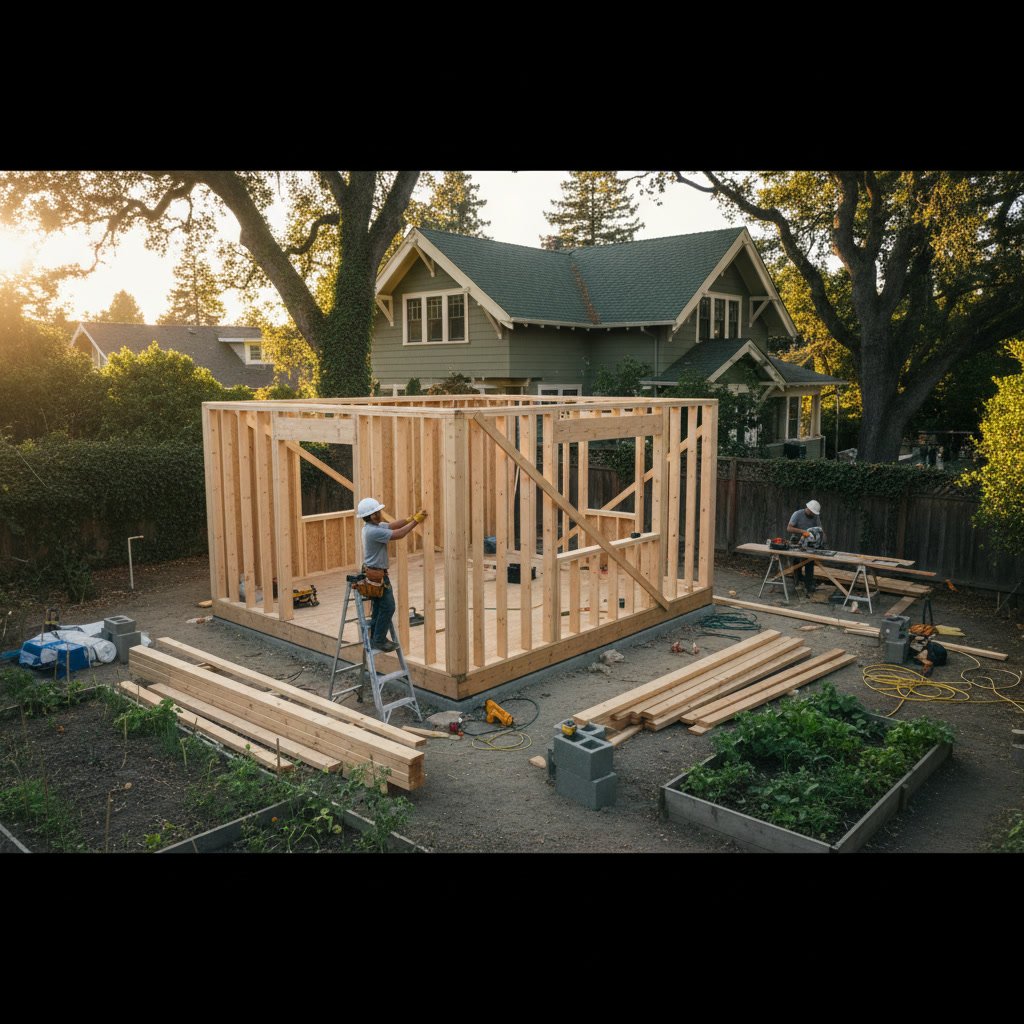
Construction timelines for garage conversions usually run four to six months from permit issuance to final inspection. Detached new construction ADUs take six to nine months, though complex sites or custom designs can extend to a year.
Weather rarely stops construction in the Bay Area, but the rainy season from December through March can slow foundation work and exterior finish application. Many builders prefer to pour foundations and complete roofing before winter rains arrive.
Inspection schedules also affect timelines. Berkeley and Albany building departments conduct multiple inspections throughout construction, including foundation, framing, rough electrical and plumbing, insulation, and final inspections. Scheduling these at appropriate project milestones, and ensuring work passes inspection on the first visit, keeps projects moving efficiently.
Choosing Materials and Systems for Long-Term Value
Upfront material choices impact maintenance costs and tenant satisfaction for years after construction completes.
Roofing options include composition shingles, which cost least initially but need replacement every 20 to 25 years, or metal roofing that costs more upfront but lasts 50 years or longer. In Berkeley and Albany, where many properties remain in families for decades, metal roofing often makes financial sense despite higher initial expense.
HVAC systems in ADUs typically use ductless mini-splits, which provide both heating and cooling without the space requirements of traditional forced-air systems. These units work efficiently in the mild Bay Area climate and allow room-by-room temperature control.
Water heaters should be sized appropriately for the ADU. A 40-gallon tank heater suffices for a studio or one-bedroom unit with one bathroom. Tankless water heaters cost more initially but never run out of hot water and last longer than tank models, making them popular in higher-end ADU builds.
Energy-efficient lighting using LED fixtures throughout the ADU reduces operating costs and appeals to environmentally conscious tenants. California’s Title 24 energy code already mandates efficient lighting in new construction, but upgrading beyond minimum requirements with quality fixtures adds appeal.
Working With Experienced Contractors
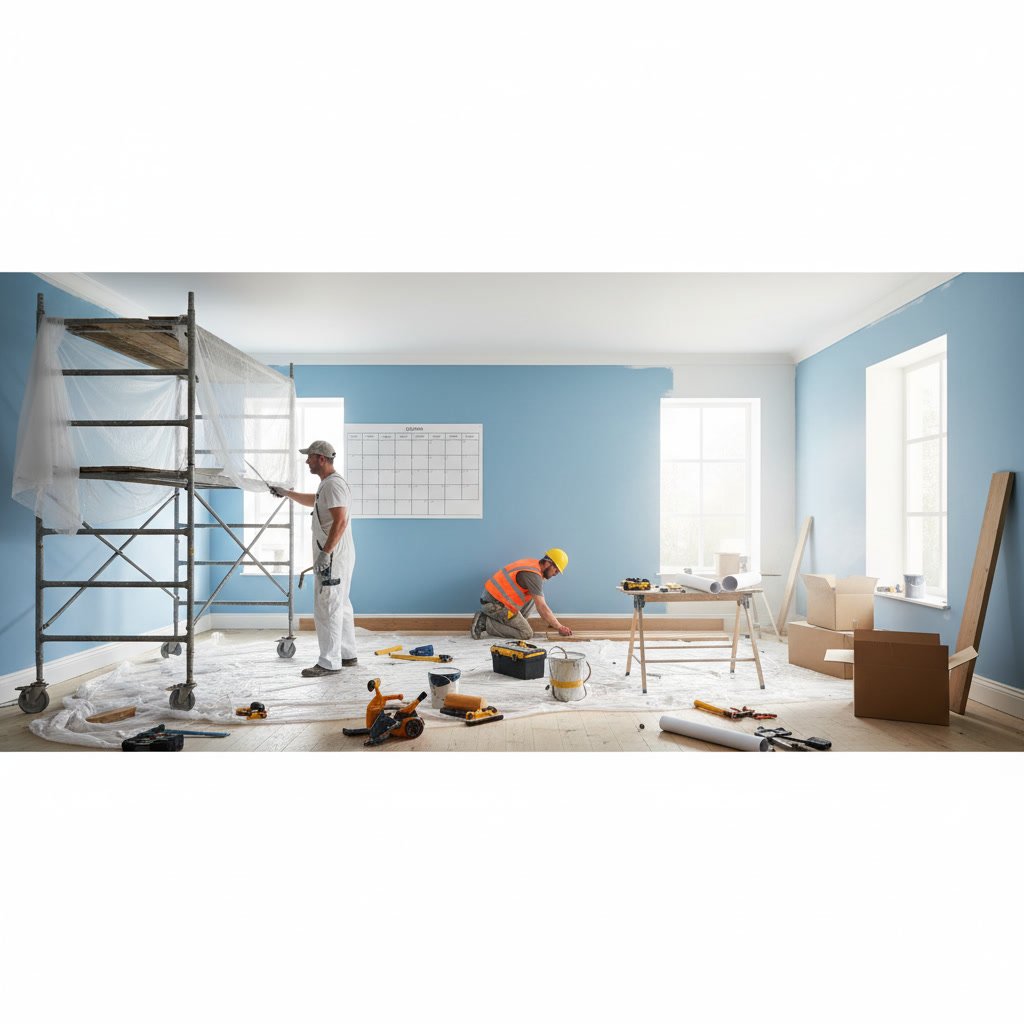
ADU construction involves coordination across multiple trades, including foundation work, framing, roofing, electrical, plumbing, tile, stucco or siding, interior finishes, and final inspections. Working with a general contractor who manages this coordination streamlines the process and provides a single point of accountability.
Experience with local building departments matters. Contractors familiar with Berkeley and Albany permit processes anticipate requirements, submit complete applications, and maintain relationships with inspectors that help projects move smoothly through approval and inspection stages.
Murillo Construction Painting and Remodeling has completed residential construction projects throughout the East Bay for over 30 years, including numerous ADU builds in Berkeley, Albany, and surrounding communities. The company handles everything from initial design consultation through final inspection, coordinating all trades and ensuring work meets California building codes and local requirements.
When evaluating contractors, ask about recent ADU projects in your city, request references from past clients, and confirm proper licensing and insurance. California requires contractors working on projects over $500 to hold active C-class licenses appropriate to their scope of work.
Frequently Asked Questions
How long does ADU construction Berkeley permitting typically take?
Berkeley processes most ADU applications that meet objective design standards within 60 days. Projects requiring design review or that need variances can take three to six months. Submitting complete, professionally prepared plans speeds the process significantly.
Can I build an ADU if my property already has a separate guest house or in-law unit?
California law allows both a junior ADU (up to 500 square feet within or attached to the existing home) and a detached or garage conversion ADU on the same property. Check with Berkeley or Albany planning departments about specific limitations based on your lot size and zoning.
Do I need to provide parking for an ADU in Berkeley or Albany?
Parking requirements are often waived if your property sits within half a mile of public transit, on a street requiring residential permits, or in a historic district. Both cities have significantly reduced parking mandates for ADUs to encourage housing production.
What’s the minimum lot size needed for ADU construction in these cities?
Neither Berkeley nor Albany enforces minimum lot sizes for most ADU types under current regulations. Even small urban lots can typically accommodate at least a garage conversion or junior ADU. Setback requirements and building coverage limits are the primary constraints.
Should I rent my ADU short-term or long-term?
Berkeley restricts short-term rentals under 30 days in most residential zones, requiring special permits and owner occupancy. Long-term rentals (30 days or longer) face fewer restrictions and provide stable monthly income, making them the practical choice for most ADU owners in the area.
Moving Forward With Your ADU Project
ADU construction Berkeley and Albany homeowners are pursuing adds valuable living space, generates rental income, and increases property values throughout the East Bay. Success depends on realistic budgets, quality design that suits your lot and intended use, and working with experienced contractors who understand local requirements.
Whether you’re considering a detached studio, garage conversion, or two-story unit above existing structures, planning ahead and making informed material choices creates ADUs that serve your needs for decades. If you’re ready to explore ADU possibilities for your property, Murillo Construction Painting and Remodeling offers free consultations for Berkeley, Albany, and surrounding East Bay communities. Reach out at +15106609596 to discuss your project.