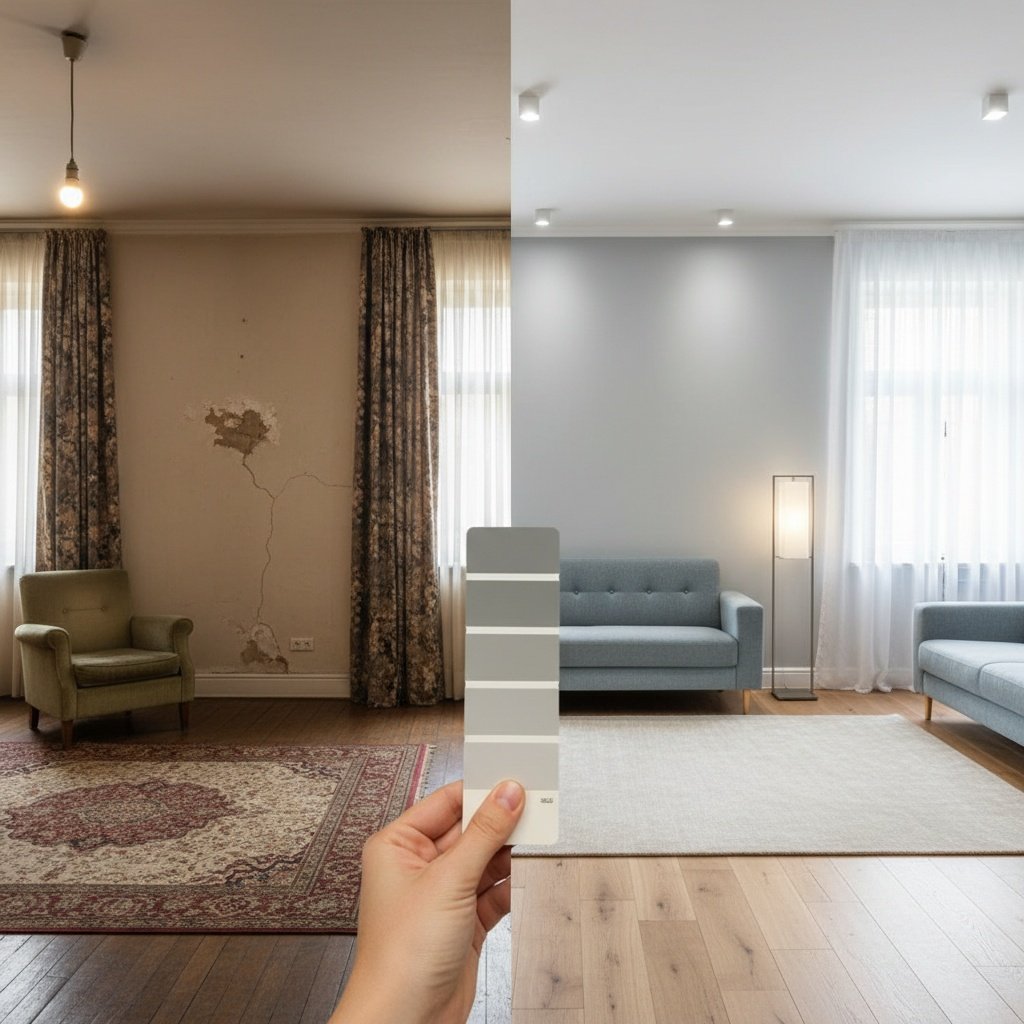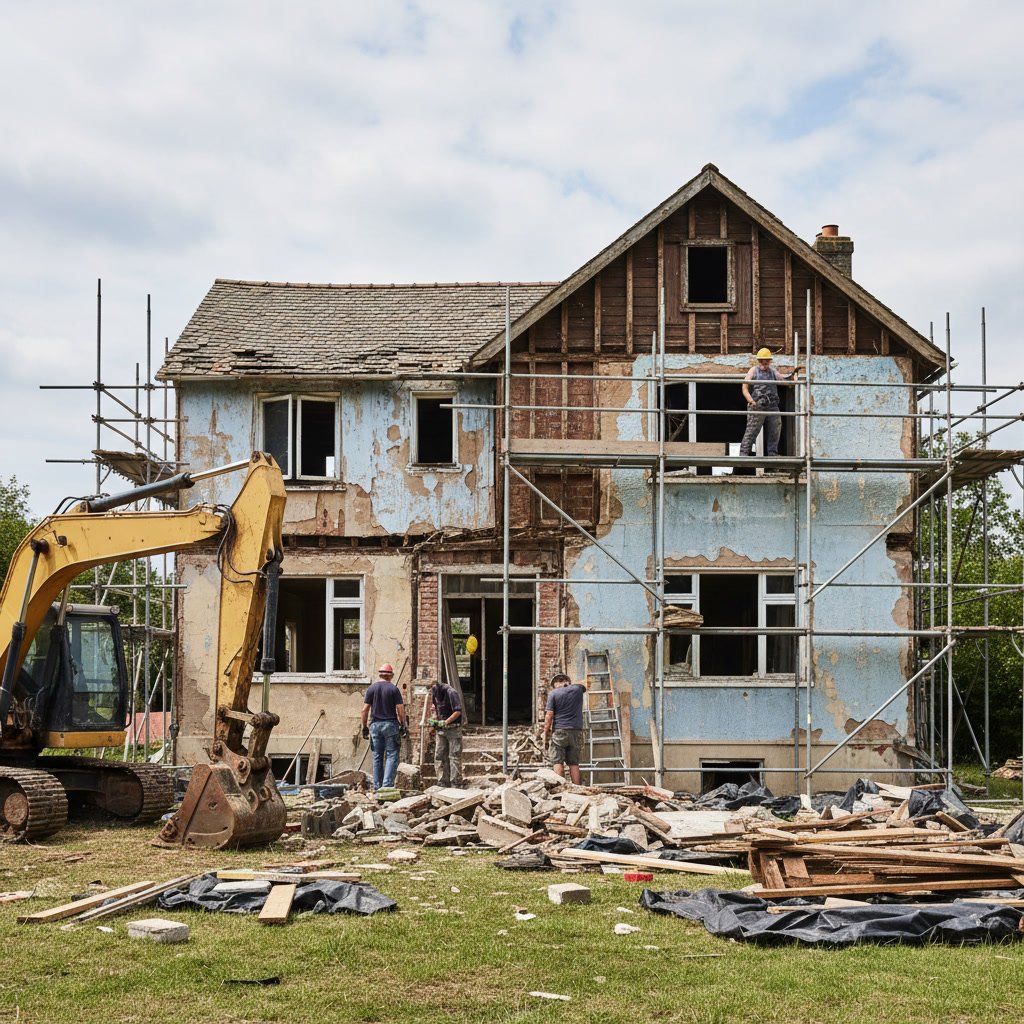
When you coordinate painting and remodeling work at the same time, proper sequencing prevents wasted effort and keeps your project on budget. Paint applied too early gets damaged during demolition, while delayed painting pushes back your move-in date. The solution lies in understanding which tasks must happen first, how to schedule overlapping work, and when to bring each trade onto the jobsite.
Why Timing Between Trades Matters More Than You Think
A single misstep in scheduling can cascade through your entire project timeline. If drywall installers arrive before electricians finish running wire, you pay twice for patching. When painters show up before tile setters complete their work, overspray lands on new surfaces. Each trade depends on the completion of specific earlier tasks, and reversing that order costs time and money.
The physical condition of your home during construction also affects scheduling. Dust from drywall sanding ruins fresh paint. Moisture from plumbing work prevents proper paint adhesion. Temperature extremes during exterior work compromise curing times. Smart contractors account for these variables when building your project calendar.
The Standard Sequence for Combined Projects
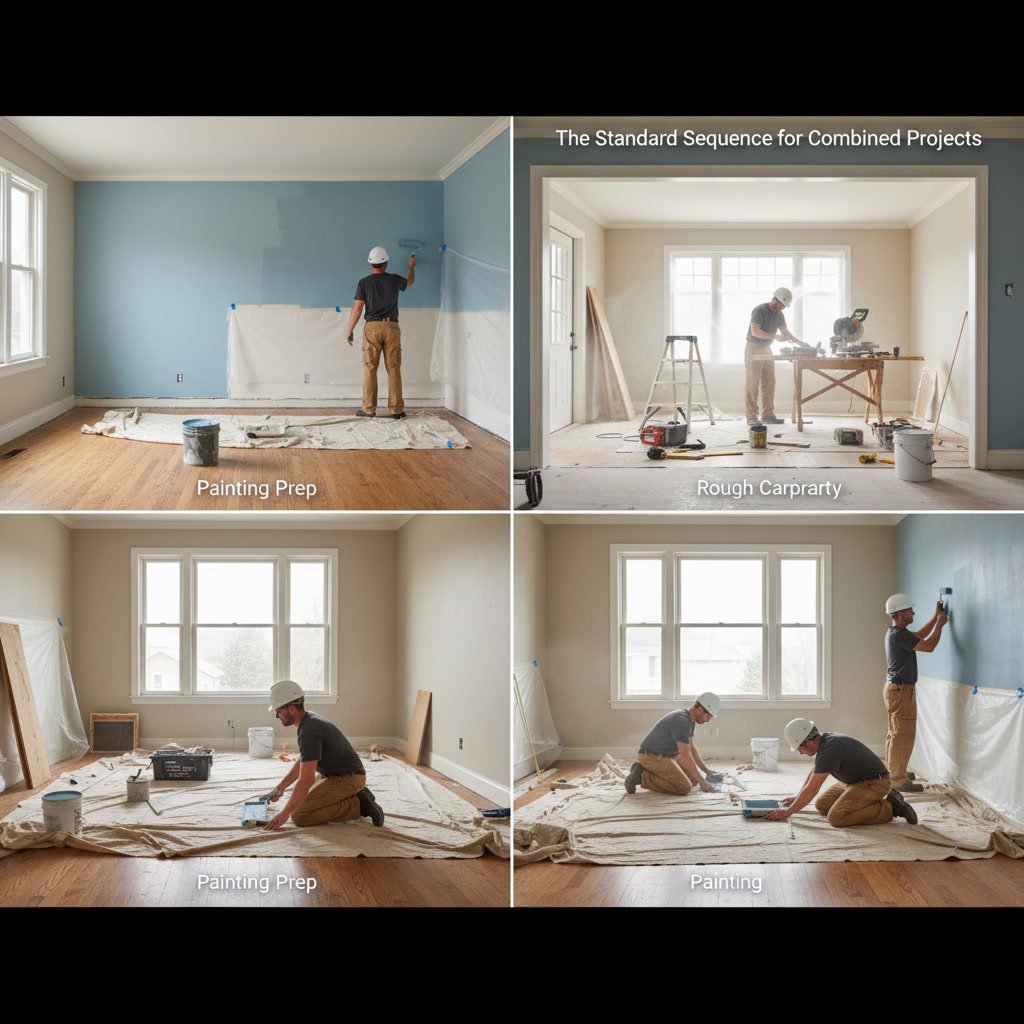
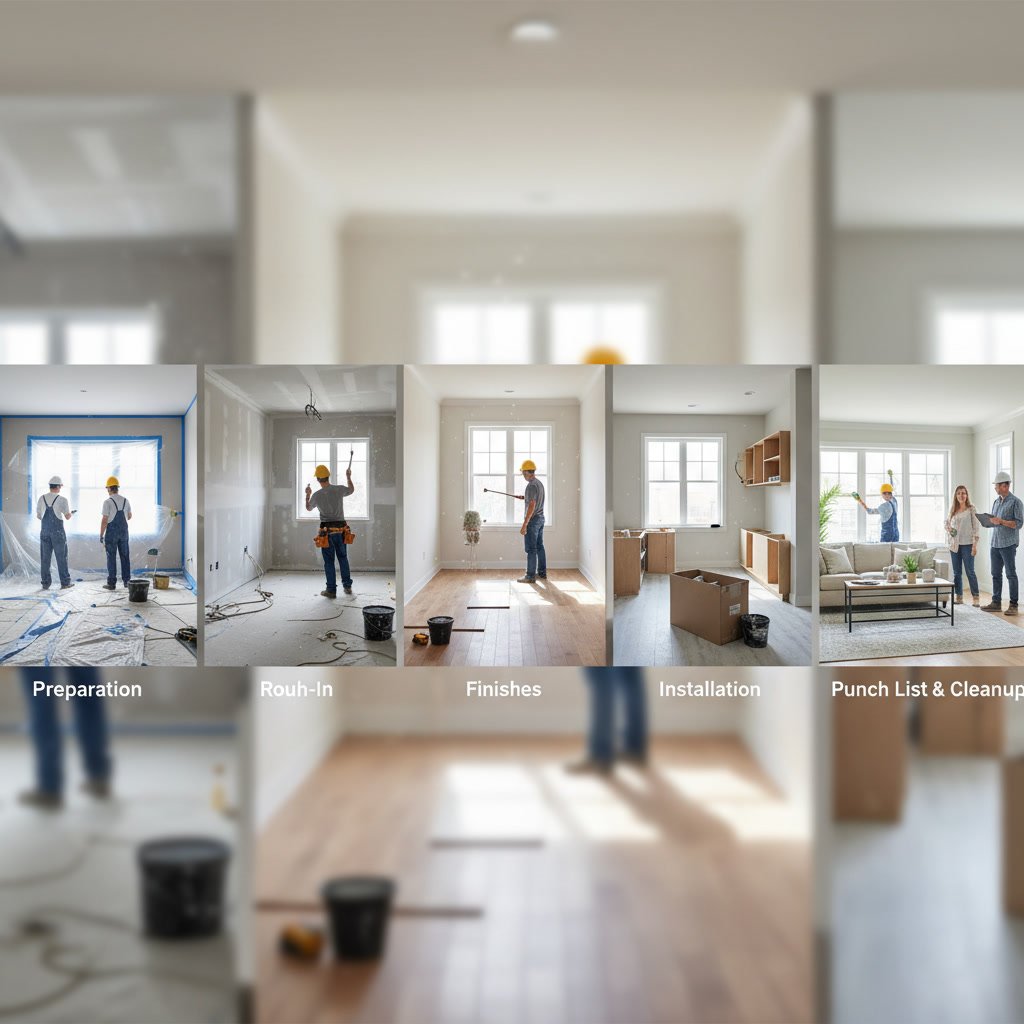
Most residential projects follow a predictable order. Demolition comes first, removing old fixtures, cabinets, and finishes down to studs and subfloor. Rough-in work follows, with plumbers, electricians, and HVAC specialists installing lines and boxes before walls close up. Inspection happens next, ensuring all hidden work meets code before covering it.
Once rough work passes inspection, drywall goes up and gets taped, mudded, and sanded. Primer seals the fresh drywall. Then permanent fixtures like cabinets, countertops, tile, and trim get installed. Final paint coats go on after dusty work finishes but before final fixtures like light covers and switch plates. Interior painting typically happens in two phases: walls first, then trim and detail work.
How to Schedule Multiple Contractors Without Conflicts
Create a master calendar that shows when each trade needs access to specific rooms. Block out full days rather than trying to squeeze multiple crews into the same space. Electricians need clear access to walls and ceilings. Tile setters require clean, dry floors. Painters need empty rooms with adequate ventilation.
Build buffer time between phases. A realistic kitchen remodeling project accounts for delayed material deliveries, failed inspections, and weather delays. Adding two to three days of cushion between major phases prevents one delay from destroying your entire schedule.
Communicate the full schedule to every contractor at the project start. When the tile installer knows painters arrive in five days, they prioritize cleanup and protect finished surfaces. When painters understand cabinets install next week, they avoid areas that will get covered anyway.
Protecting Finished Work During Ongoing Construction in Richmond
Even with perfect scheduling, finished surfaces need protection while other trades work nearby. Painter’s plastic and drop cloths shield completed areas from dust and debris. Foam edge protectors prevent dings on cabinet corners and door frames. Cardboard or rosin paper protects finished floors from foot traffic and tool drops.
Establish clear pathways through the work area. Crews should use the same route every day, keeping traffic away from delicate finishes. Mark protected zones with tape and signage. A single careless moment can undo days of careful work.
The Five-Step System for Overlap Management
First, identify which tasks genuinely cannot happen simultaneously. Drywall sanding and painting never overlap. Tile grouting and floor finishing stay separate. But some work can run in parallel if you plan carefully.
Second, separate work by room or floor. While bathroom remodeling continues upstairs, painters can finish downstairs rooms that passed final inspection. This approach works best in larger homes with clear physical separation between zones.
Third, sequence work within each space from top to bottom. Ceiling repairs and painting happen before wall work. Wall finishes come before floor installation. This prevents damage from drips, drops, and debris falling onto completed lower surfaces.
Fourth, schedule messy work before clean work in every phase. Demolition precedes installation. Sanding happens before painting. Cutting and fitting occur before final assembly. This principle applies at every scale, from whole-house projects down to individual room finishes.
Fifth, build in formal inspection points where work stops until the general contractor or homeowner approves the previous phase. This prevents problems from getting buried under subsequent layers. It also gives everyone a clear milestone to work toward.
Communication Protocols That Prevent Costly Mistakes
Daily site meetings take five minutes but save hours of confusion. Each morning, the lead from every trade on site that day confirms their scope, timeline, and any concerns. This quick check catches scheduling conflicts before they cause problems.
Use a shared communication channel. Group texts, project management apps, or a simple shared calendar keeps everyone informed about changes. When the tile delivery gets delayed by two days, every subsequent trade needs that information immediately.
Document everything with photos. Before and after images of each phase create a clear record of work completed and conditions encountered. These photos resolve disputes about who damaged what and when problems first appeared.
When to Paint During Different Remodeling Projects
Kitchen projects require paint after cabinets install but before countertops if you want perfect wall coverage behind the backsplash. However, many homeowners prefer painting after all tile work finishes to avoid overspray and damage. The trade-off involves accepting small gaps you can caulk versus risking paint damage during final installations.
Bathroom renovations follow similar logic. Paint after tile and fixtures install, then touch up any dings during final punch-list work. The high moisture in bathrooms makes proper surface preparation critical, so never rush the painting phase.
Whole-house projects benefit from a two-coat strategy. Apply primer and first coat after drywall finishing but before trim and fixtures. This speeds up the schedule and protects walls during remaining work. Then apply the final coat after all installations complete but before final cleanup. You can explore more about this approach in our guide on what happens during full home projects.
Red Flags That Signal Poor Coordination
Watch for contractors who cannot provide a detailed schedule. Vague timelines like “sometime next week” indicate poor planning and usually lead to conflicts. Professional teams commit to specific dates and communicate changes promptly.
Multiple crews showing up unannounced signals a coordination breakdown. Every trade should confirm their arrival 24 hours in advance. Surprise appearances often mean someone misread the schedule or ignored it entirely.
Repeated damage to finished work points to inadequate protection protocols. One accident happens. A pattern suggests carelessness or poor site management. Address this immediately before it becomes your new normal.

The One Thing Most Homeowners Miss
Material delivery timing matters as much as crew scheduling. Cabinets that arrive three weeks early create a storage problem and potential damage risk. Paint delivered during dusty demolition can get contaminated before you even open the cans. Tile that shows up late holds up every subsequent trade.
Coordinate deliveries to arrive two to three days before installation. This window gives you time to inspect for damage and verify the order without materials sitting on site for weeks. It also prevents the costly scenario where crews arrive ready to work but materials have not shipped.
For residential construction projects, create a delivery schedule that mirrors your labor calendar. Share this schedule with suppliers and request confirmation one week before each delivery date. This simple step prevents most material-related delays.
Budget Impact of Poor Coordination
Rework from sequencing mistakes typically costs 15 to 25 percent more than doing it right the first time. Repainting walls that got damaged during tile installation means buying materials twice and paying labor twice. Replacing trim that painters splattered because it installed too early doubles that expense.
Schedule delays cost money even when no rework happens. Contractors charge mobilization fees each time they return to a jobsite. Extended project timelines mean longer periods paying for temporary housing or storage if you moved out during construction. Proper coordination keeps the project moving and minimizes these soft costs that do not show up as line items but definitely affect your budget.
Getting Professional Help Pays for Itself
A general contractor who handles coordination removes the burden of managing multiple trades from your shoulders. They know the correct sequence, maintain relationships with reliable subcontractors, and handle the daily communication that keeps projects on track. The markup you pay for this service typically costs less than the mistakes you avoid.
Even if you serve as your own general contractor, hiring experienced professionals for each trade improves coordination. Seasoned painters know to ask about upcoming work that might affect their schedule. Veteran tile setters understand when to protect adjacent surfaces. This institutional knowledge prevents problems before they start.
For complex projects involving structural changes, electrical work, or plumbing modifications, professional coordination becomes essential rather than optional. The code requirements and inspection schedules add layers of complexity that experienced contractors navigate smoothly.
Making Your Project Run Smoothly From Start to Finish
Successful coordination starts with realistic expectations about timing and a detailed plan that accounts for dependencies between trades. It continues with clear daily communication and proper protection of finished work. It ends with systematic inspections that catch problems early, when they cost less to fix.
The difference between a smooth project and a frustrating one usually comes down to planning and communication. Invest time upfront creating a detailed schedule, and maintain that schedule through daily coordination efforts. The result is a finished project that meets your vision without the budget overruns and delays that plague poorly coordinated work.
Murillo Construction Painting and Remodeling brings over 30 years of experience managing complex projects that combine multiple trades under one coordinated schedule. Our approach ensures painting happens at the right time, protecting your investment while keeping the project moving forward. Whether your home needs a complete renovation or targeted improvements, we handle the coordination details that make the difference between smooth progress and costly delays. Reach out at +15106609596 to discuss your project timeline and how we can help bring your vision to completion.