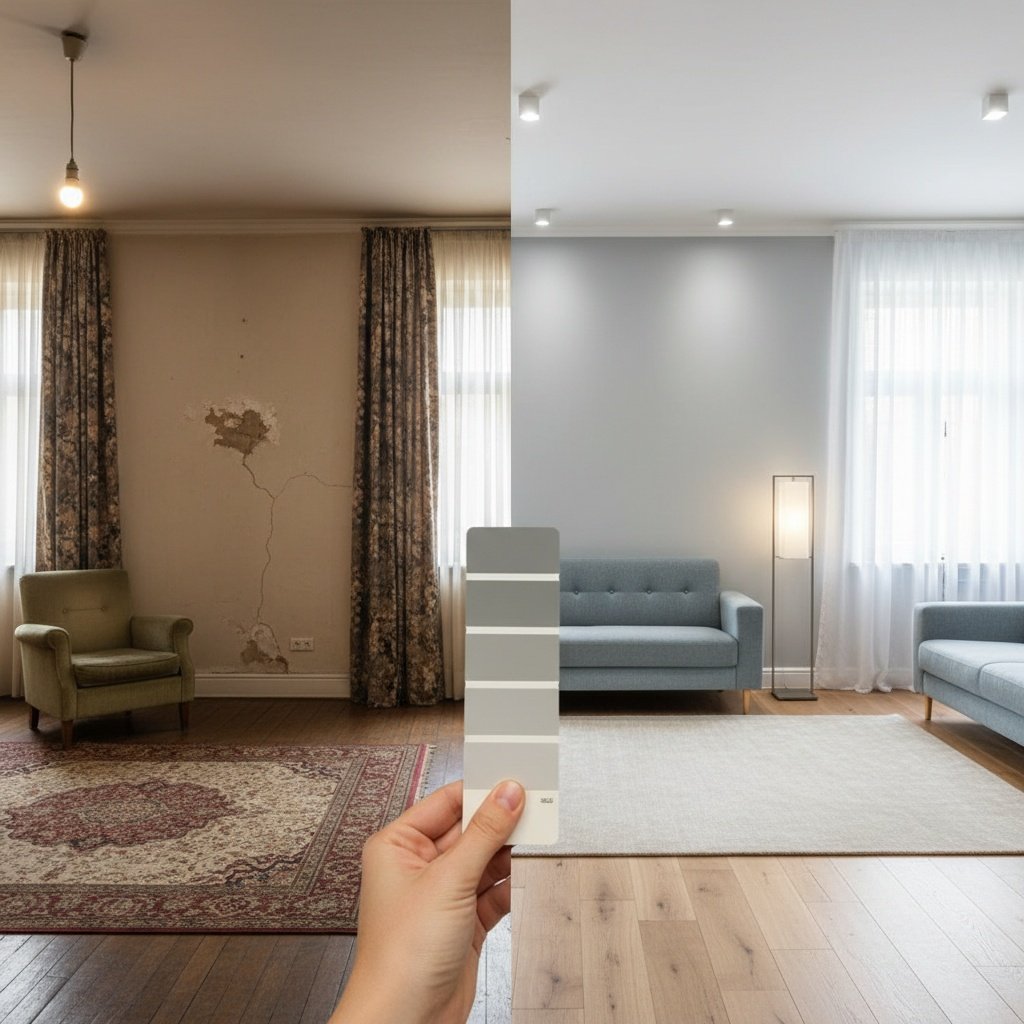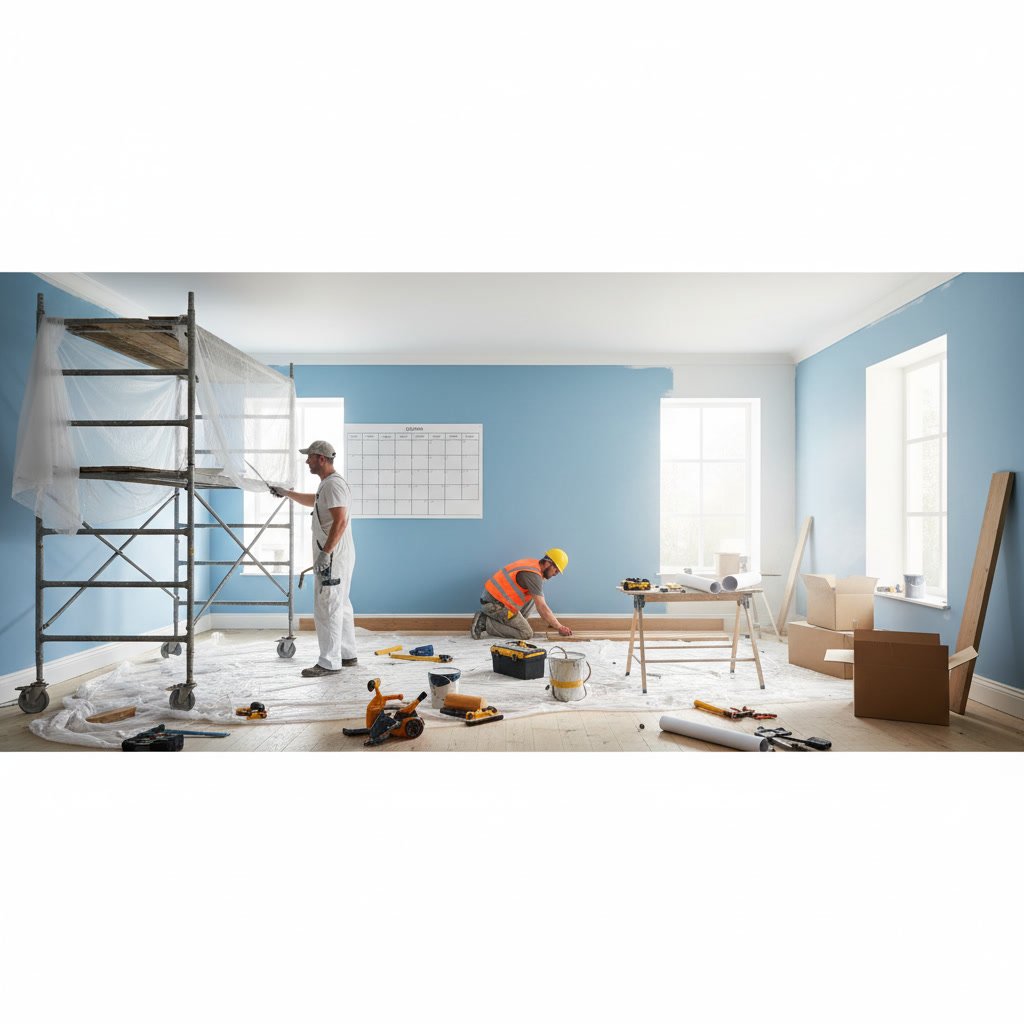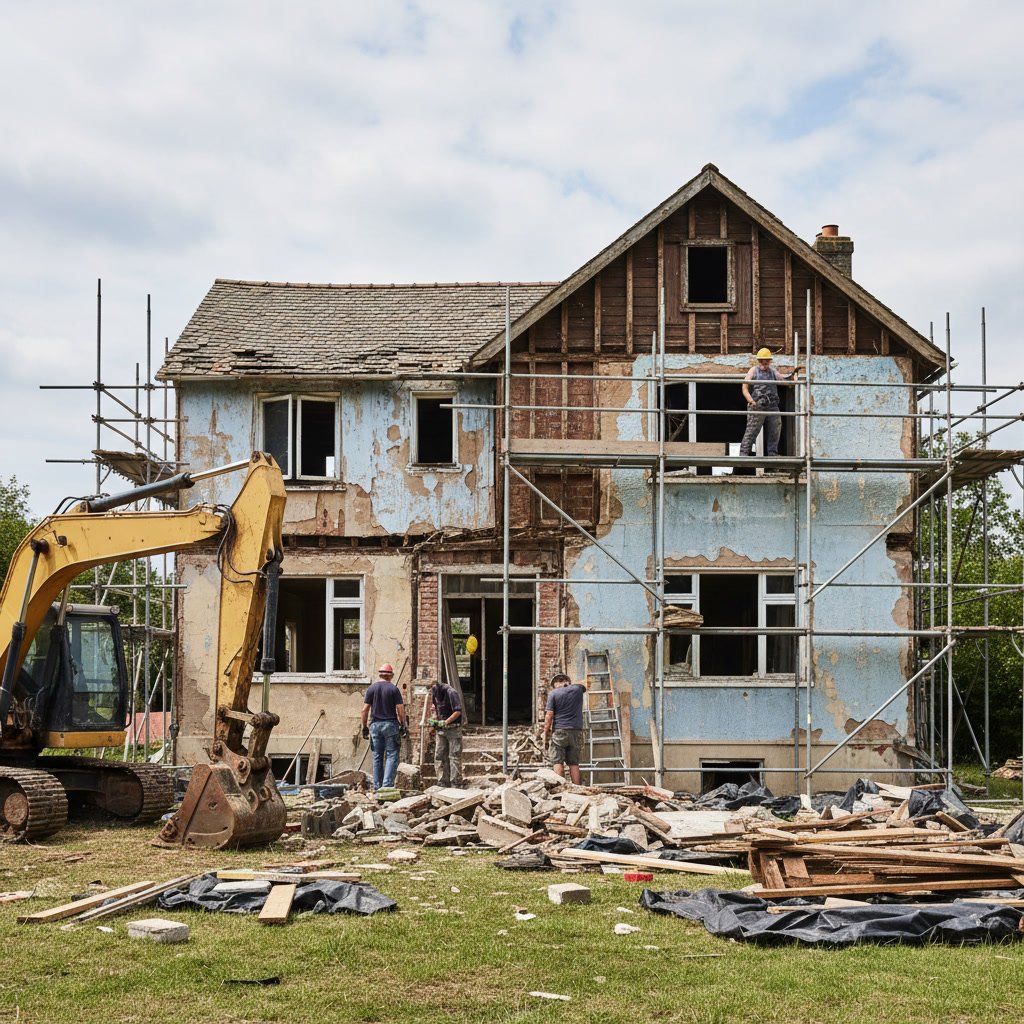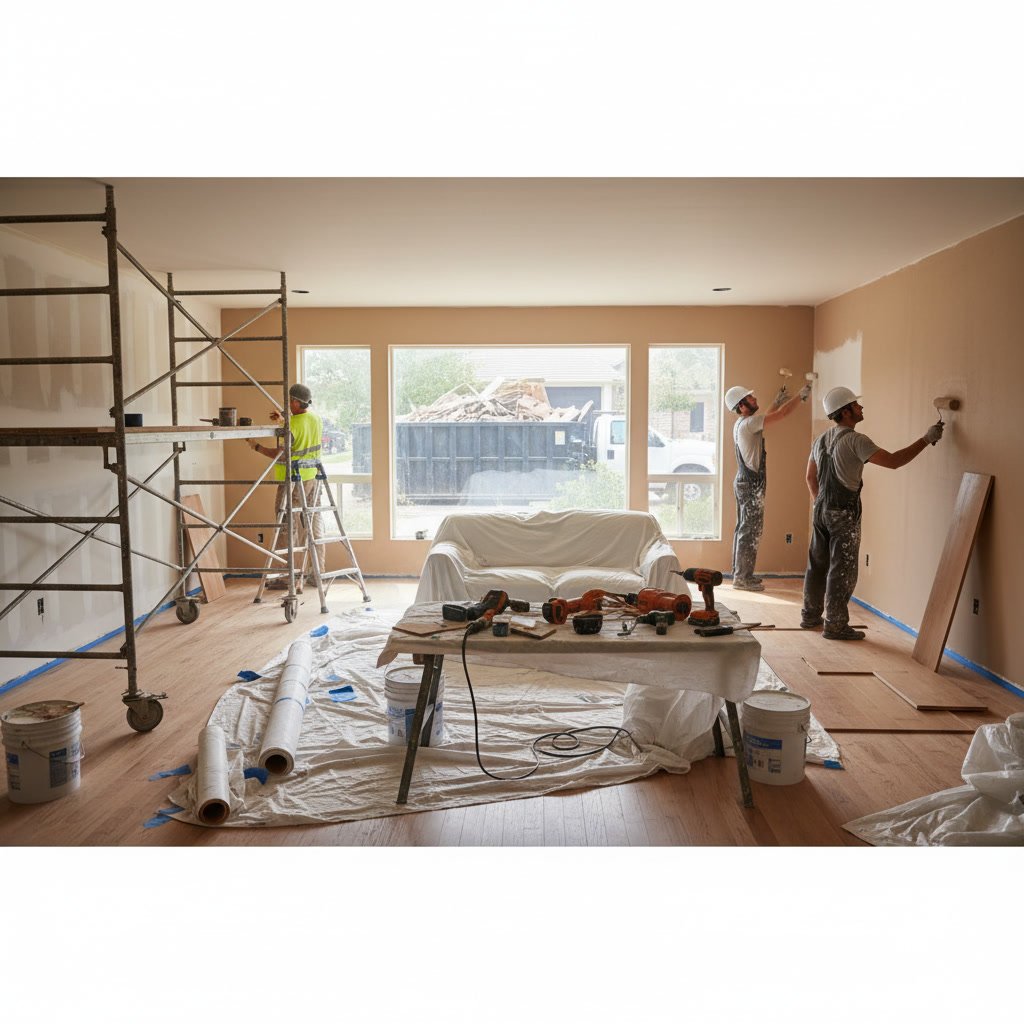
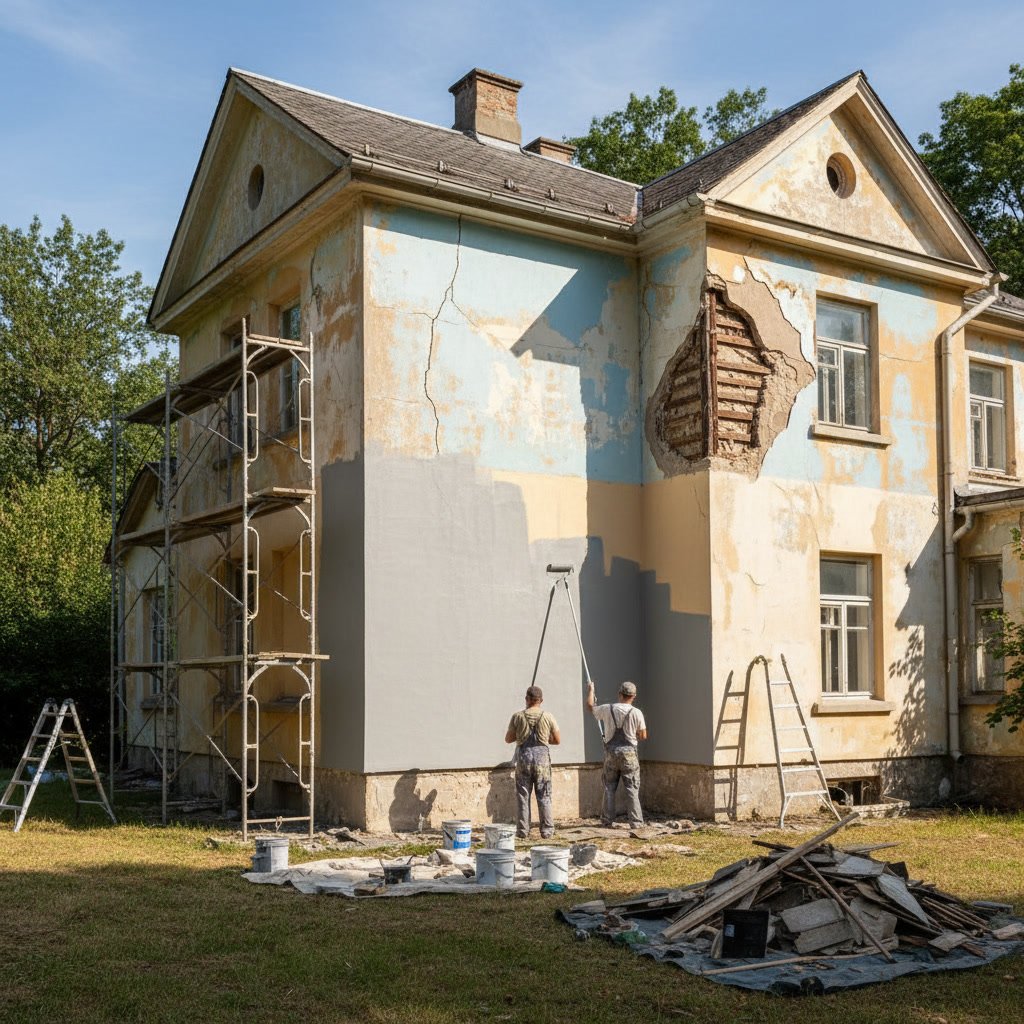
Many homes show clear signs that remodeling and paint together will deliver better results than separate projects. When structural updates and surface finishes need attention at the same time, combining them saves money, reduces disruption, and creates a more cohesive final result. Coordinating these tasks prevents the common problem of fresh paint getting damaged during construction or newly remodeled spaces clashing with outdated wall colors.
Why Coordinating Construction and Paint Work Matters
Scheduling construction and painting as separate projects often creates unnecessary complications. Contractors working on structural changes can accidentally damage fresh paint, requiring touch-ups or complete repaints. Meanwhile, painting before addressing underlying issues like water damage or cracks means covering up problems that will resurface within months.
The sequence of work matters significantly. Demolition, framing, electrical, plumbing, and structural repairs generate dust, require wall patches, and leave surfaces that need preparation. Applying paint before these steps wastes time and materials. Professional contractors know that construction painting and remodeling delivered as one integrated service eliminates these conflicts and produces superior finishes.
When Multiple Rooms Show Age Simultaneously
Homes built or last renovated during the same period often show wear in multiple rooms at once. If your kitchen cabinets, bathroom fixtures, and interior paint all date back 15 to 20 years, addressing everything together makes practical sense. This pattern indicates that materials installed at the same time have reached similar points in their lifecycle.
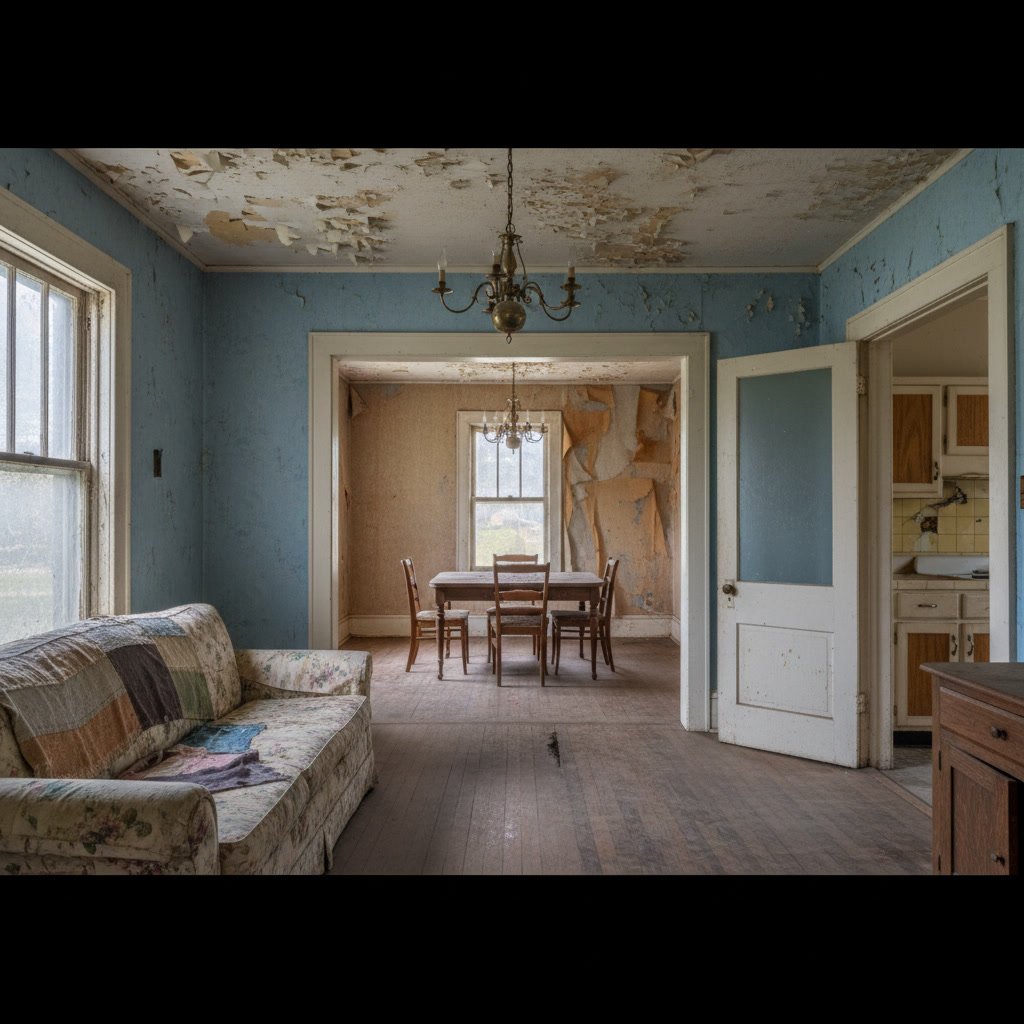
Property owners frequently underestimate how much a unified refresh improves home value and livability. Tackling one room while leaving others visibly dated creates an inconsistent appearance that buyers and guests notice immediately. A comprehensive approach ensures color palettes, finishes, and design elements work together rather than fighting for attention.
Visible Water Damage or Staining on Walls and Ceilings
Water stains that bleed through paint signal underlying problems that paint alone cannot fix. These marks typically indicate roof leaks, plumbing issues, or condensation problems that require structural repairs before any cosmetic work begins. Painting over water damage without fixing the source guarantees the stains will return, often within weeks.
Addressing the root cause often involves plumbing and repiping work, roof repairs, or fixing exterior envelope issues. Once contractors repair these systems, they must patch drywall, retexture surfaces, and prepare walls for paint. Separating these phases adds costs because painters must return later, set up again, and match existing finishes.
Outdated Layouts That No Longer Function Well
Floor plans that made sense 30 years ago often feel cramped or awkward by current standards. Small, closed-off kitchens, bathrooms with inefficient fixtures, and choppy room divisions represent common layout problems. Opening walls, reconfiguring spaces, or expanding rooms requires extensive construction that leaves surfaces needing complete refinishing.
Space reconfigurations always involve drywall work, which creates visible seams, texture differences, and surface irregularities. Fresh paint applied professionally over properly prepared surfaces disguises these construction traces. Homeowners pursuing kitchen remodeling projects that involve removing walls or adding islands will need comprehensive painting anyway, making it the ideal time to refresh adjacent spaces too.
Peeling or Cracking Exterior Surfaces
Exterior paint that peels, cracks, or shows extensive fading indicates substrate problems, not just tired color. Wood siding might have moisture damage, stucco may have developed cracks that allow water penetration, or trim boards could be rotting. These issues require repair or replacement before new paint can properly adhere and protect.
Property owners in the Bay Area face particular challenges with coastal moisture and temperature fluctuations. Combining structural repairs with exterior and interior painting ensures all surfaces receive proper preparation and sealing. Contractors can address rotten wood, repair stucco cracks, and apply modern elastomeric coatings that move with the building, preventing future damage.
Planning Major System Upgrades
Upgrading electrical panels, rewiring old knob-and-tube systems, or replacing galvanized pipes requires opening walls throughout the home. These invasive projects leave patch marks, texture mismatches, and visible repair areas that stand out against aged paint. Rather than living with obvious patches, scheduling paint for the entire affected area creates a uniform appearance.

Electrical and plumbing upgrades often coincide with kitchen and bath remodels since contractors already have walls open. This presents the perfect opportunity to update finishes throughout the home. A single coordinated project minimizes the total time contractors occupy your space and reduces the number of times you need to move furniture or vacate rooms.
Preparing a Home for Sale in Berkeley and Surrounding Areas
Real estate markets in Berkeley and nearby communities remain competitive, with buyers expecting move-in ready condition. Homes that need both structural updates and fresh paint sell for significantly less than comparable properties in excellent condition. Sellers who invest in coordinated improvements typically recover costs through higher sale prices and faster transactions.
A home showing deferred maintenance in multiple areas raises red flags for buyers and inspectors. Fresh paint applied over outdated fixtures, worn flooring, or damaged surfaces looks like a superficial cover-up rather than genuine care. Comprehensive updates that address both structure and finishes demonstrate quality maintenance and justify premium pricing. Many sellers exploring bathroom remodeling costs or similar investments find that bundling improvements delivers better returns than piecemeal work.
Cost and Time Savings From Combined Projects
Separate projects require contractors to mobilize, protect finished surfaces, set up equipment, and clean up multiple times. Each mobilization adds costs for travel, setup, and coordination. A single combined project eliminates duplicate efforts and reduces total labor hours significantly.
Material costs decrease when contractors purchase paint, drywall, and finishing supplies together. Painters working on freshly completed construction apply coatings to clean, prepared surfaces without extra cleaning, sanding, or protection work. This efficiency translates directly into lower total costs compared to scheduling projects months apart.
The time savings benefit homeowners substantially. Living through one four-week project proves far less disruptive than enduring two separate two-week projects spread across several months. You pack and move furniture once, adjust your routine once, and return to normal life sooner.
Mismatched Colors and Finishes Throughout the Home
Homes that have received spot repairs, room-by-room updates, or touch-ups over many years often display a patchwork of paint colors and sheen levels. What started as white might now include three different whites, each slightly off from the others. Baseboards painted satin in one room appear semi-gloss in another.
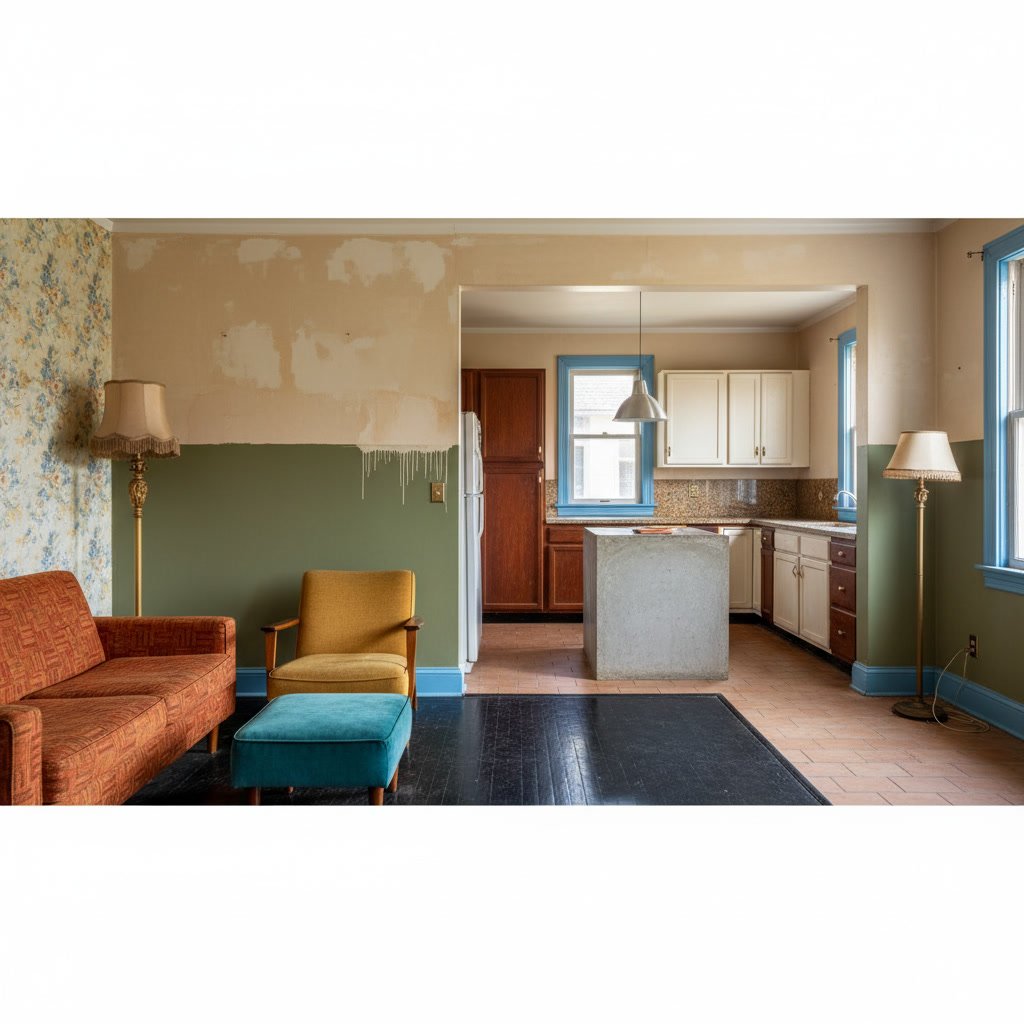
These inconsistencies become glaringly obvious during remodeling when new drywall and fresh paint appear next to aged surfaces. Rather than attempting to match old paint, which rarely succeeds perfectly, painting all connected spaces at once ensures uniform color and sheen. This approach proves especially important in open floor plans where sightlines extend across multiple areas.
Upgrading to Modern Energy Efficiency Standards
Adding insulation, replacing windows, or installing new HVAC systems often requires opening walls and ceilings. These energy upgrades leave surfaces that need patching, texturing, and painting. Since contractors already have the home opened up, coordinating finish work makes practical and financial sense.
Energy improvements also affect surface preparation requirements. New windows change trim details, added insulation may require drywall replacement, and updated ventilation systems often involve ceiling repairs. Professional painting following these upgrades seals surfaces properly, prevents air leaks around patches, and ensures moisture barriers function correctly.
Bringing Your Vision to Life With Professional Coordination
Recognizing these signs helps homeowners make informed decisions about project timing and scope. Addressing construction needs and finish work together eliminates the frustration of damaged new paint, mismatched surfaces, and repeated disruptions. Properties showing multiple indicators simultaneously benefit most from comprehensive, coordinated improvements.
Successful projects depend on experienced contractors who understand how construction phases interact and can sequence work for optimal results. Proper planning accounts for material lead times, allows surfaces to cure before painting, and protects completed work during subsequent phases. The difference between adequate results and exceptional outcomes often comes down to this level of professional coordination and attention to detail throughout every phase.
Murillo Construction Painting and Remodeling brings over 30 years of experience coordinating these complex projects for homeowners throughout the region. Whether your home needs structural repairs, layout changes, system upgrades, or a complete aesthetic refresh, scheduling an assessment helps you understand the full scope and develop a strategic approach. Call +15106609596 to discuss your project and receive a detailed evaluation of how combined improvements can maximize your investment and minimize disruption.