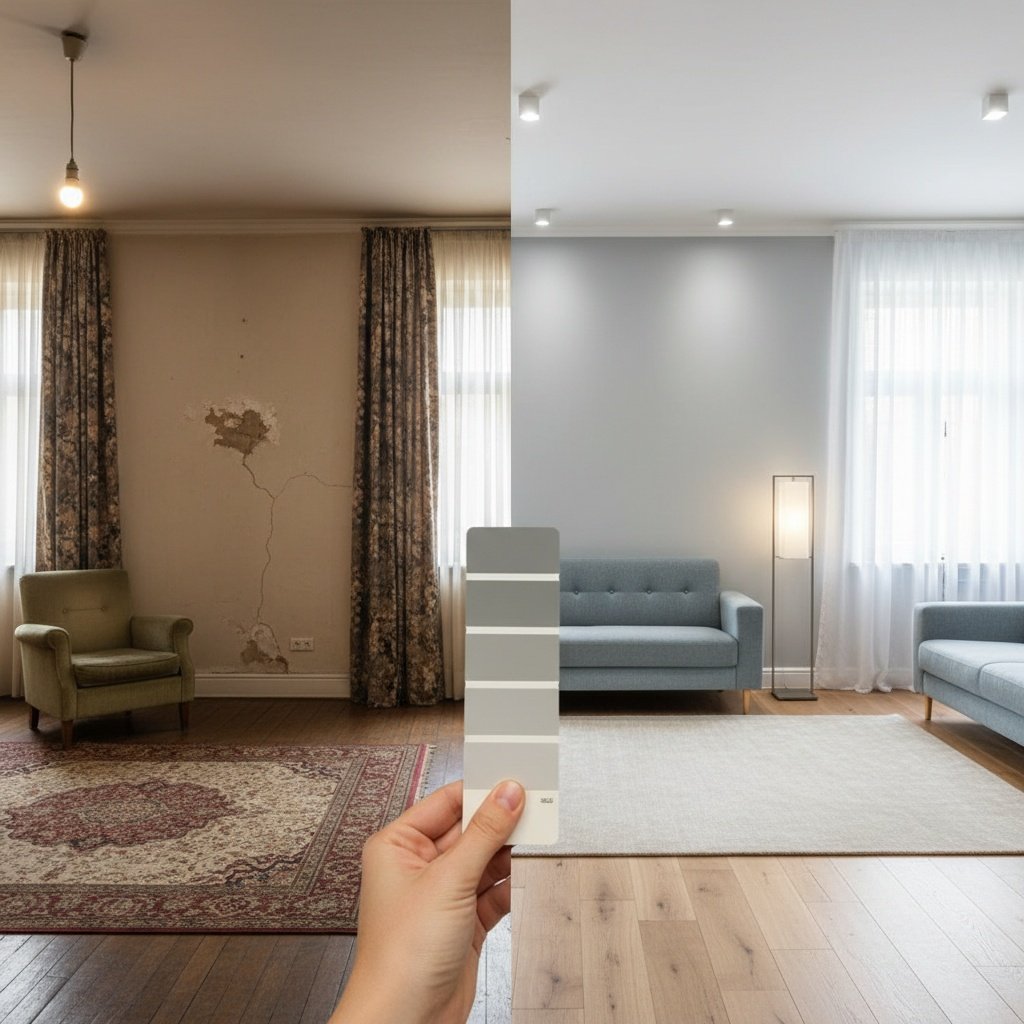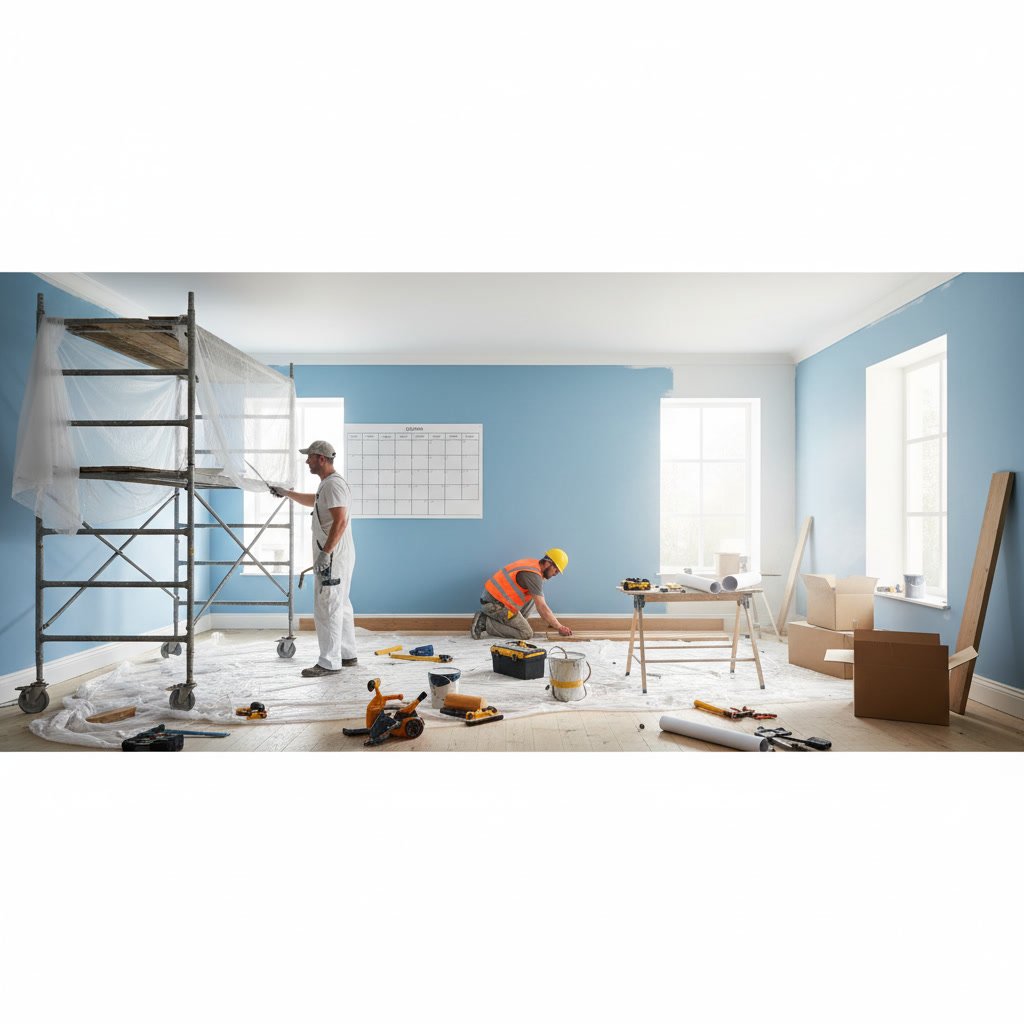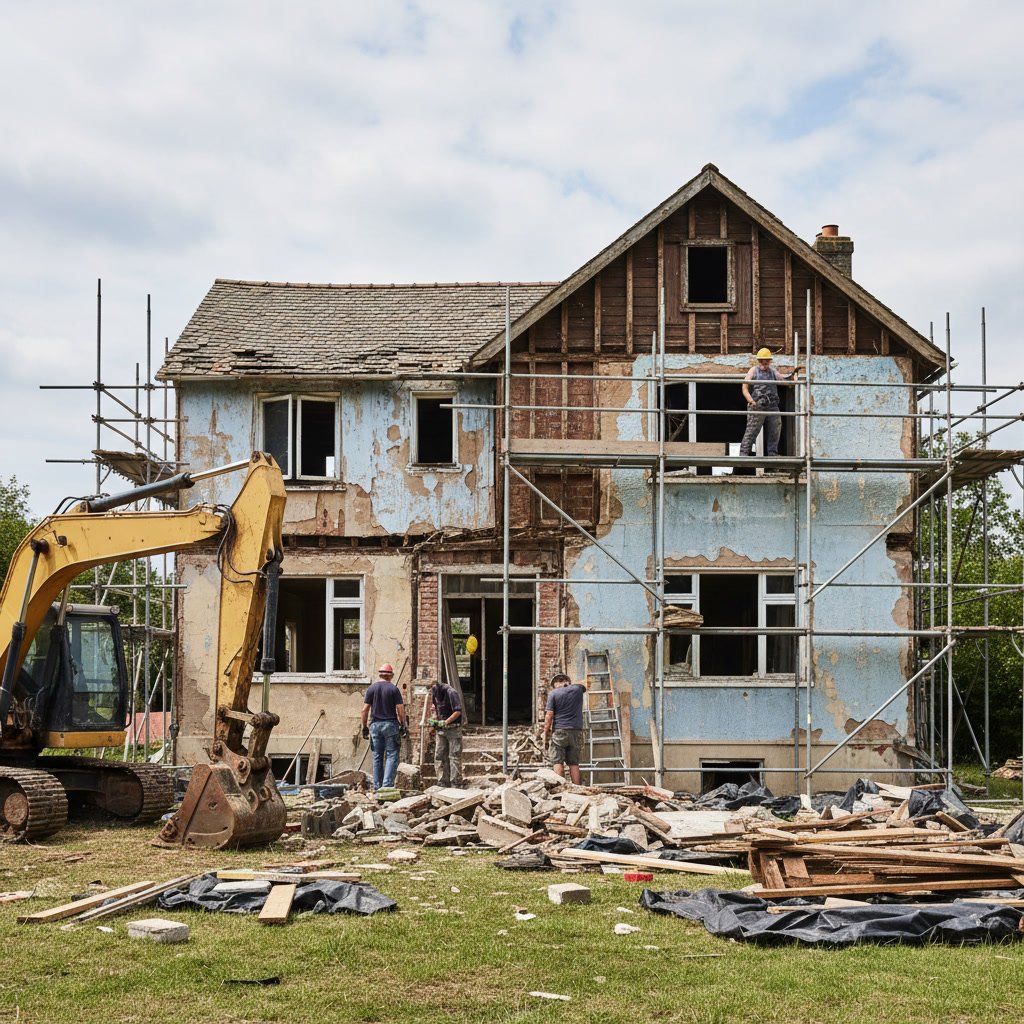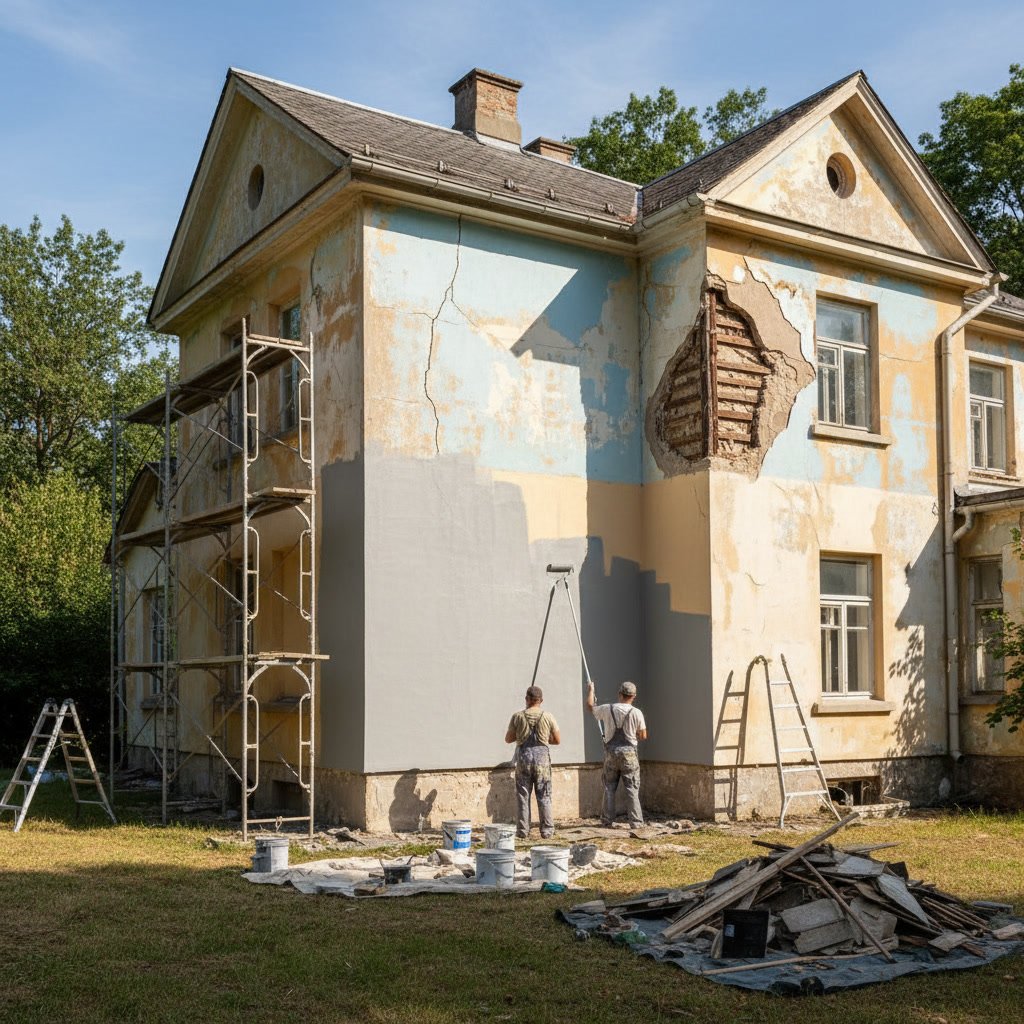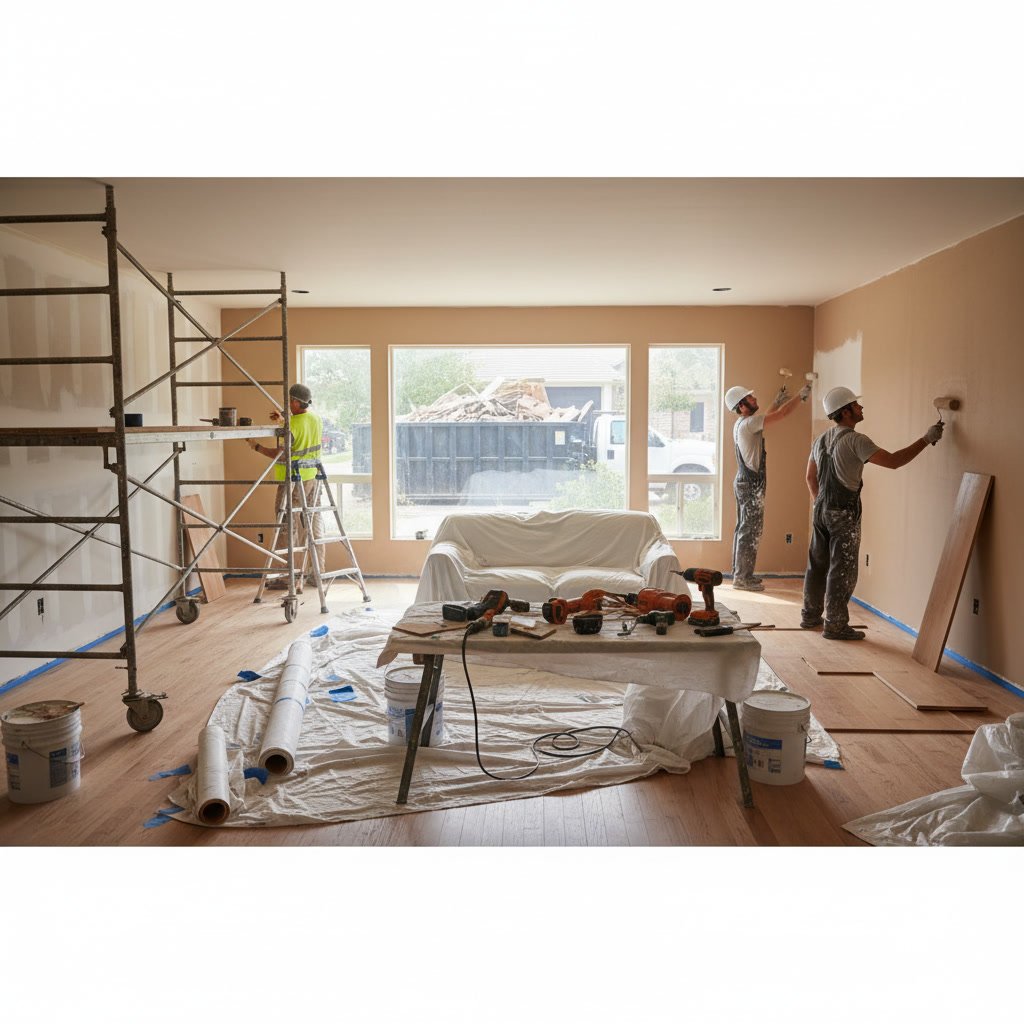
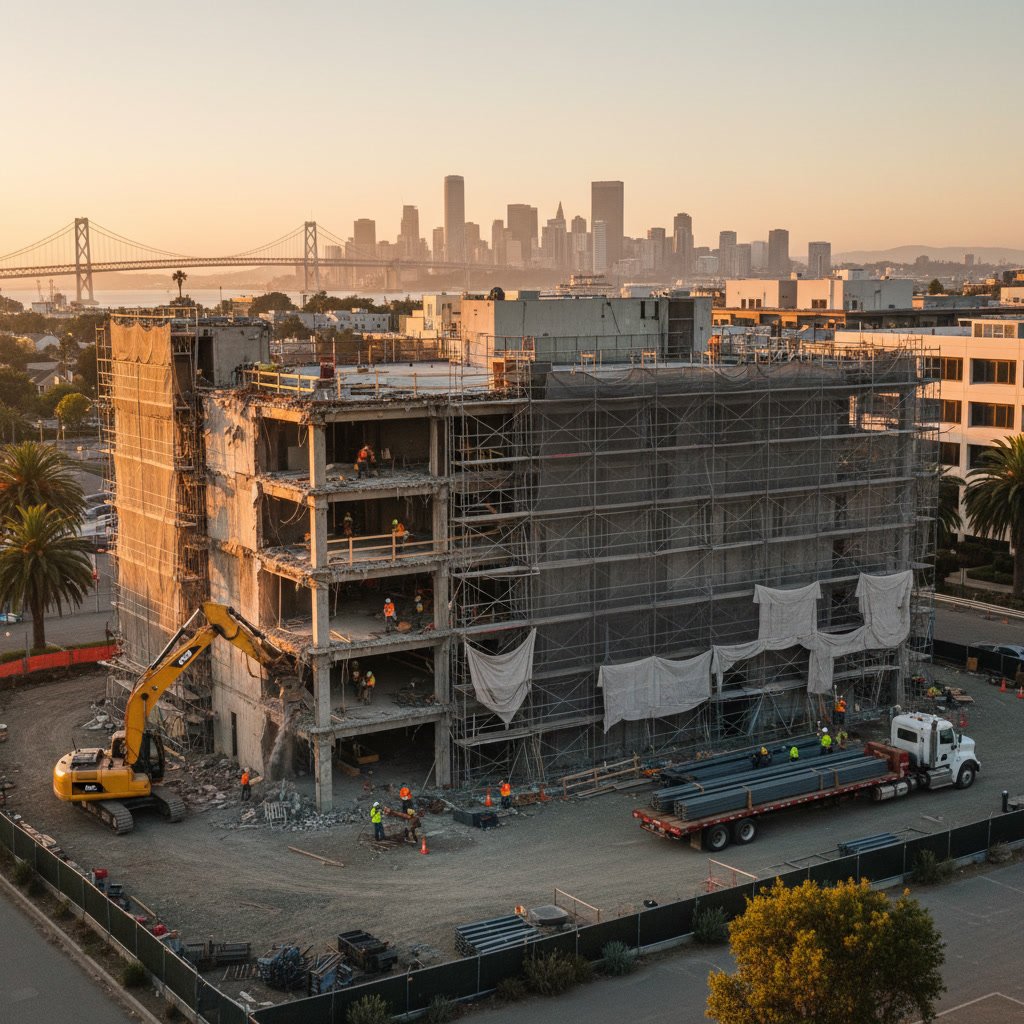
Planning a commercial renovation requires a clear understanding of what you’ll spend before signing contracts or breaking ground. The commercial remodeling cost East Bay property owners face varies dramatically based on building type, scope of work, and material selections. A basic office refresh might run $50 to $100 per square foot, while a full restaurant buildout can exceed $300 per square foot.
This guide breaks down actual costs for commercial projects across Berkeley, Oakland, Richmond, and surrounding communities. You’ll learn what drives pricing, how to estimate your specific project, and where contractors typically see budgets shift during construction.
Average Commercial Remodeling Costs by Project Type
Commercial spaces have different requirements than residential properties, and those differences show up immediately in your budget. Code compliance, accessibility standards, and commercial-grade materials all push costs higher than similar residential work.
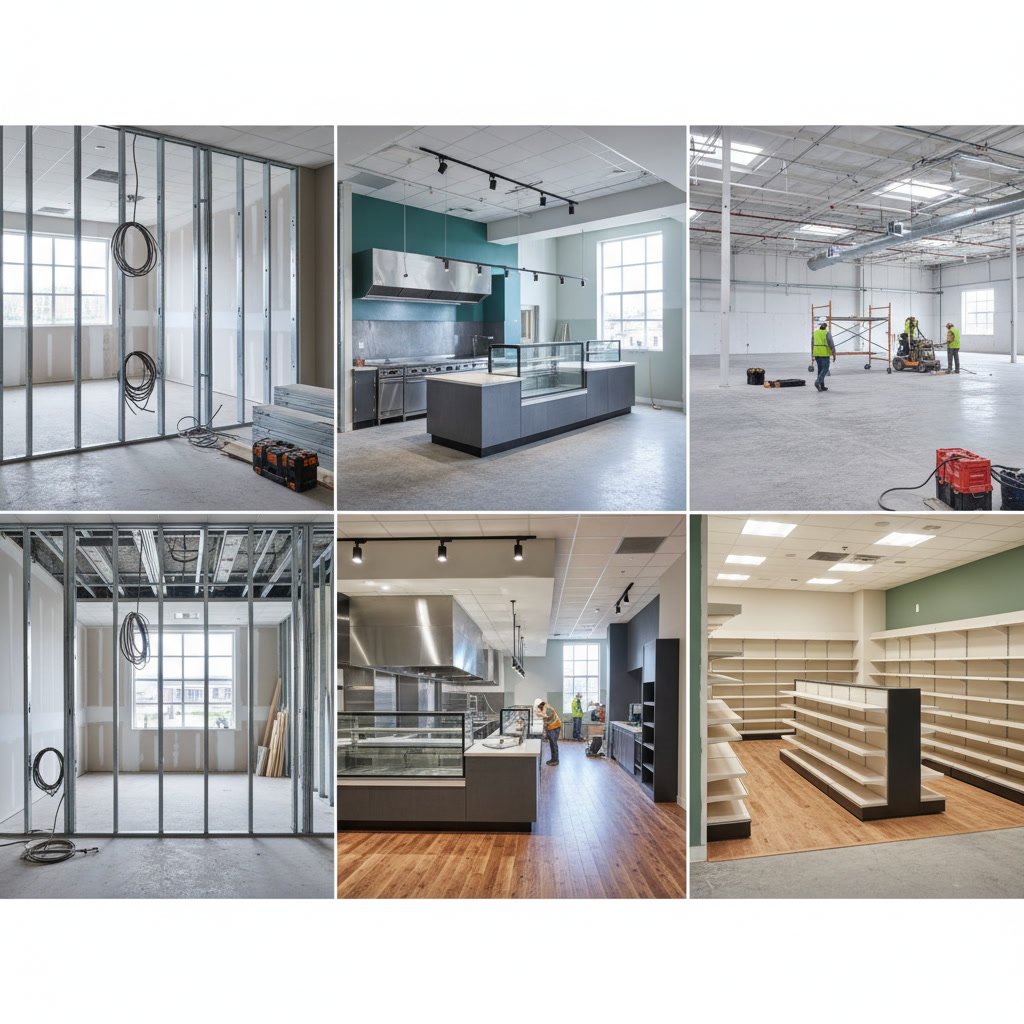
Office space remodeling typically ranges from $75 to $200 per square foot depending on finish level. A 2,000-square-foot office suite requiring new partitions, lighting, flooring, and paint will generally cost between $150,000 and $400,000. If you’re keeping the existing layout and refreshing finishes only, expect the lower end of that range.
Retail spaces run $100 to $250 per square foot for most projects. Retail requires durable flooring, specialized lighting to showcase products, and often custom millwork or display fixtures. A 1,500-square-foot boutique remodel might cost $150,000 to $375,000 depending on the level of customization.
Restaurant and food service projects are the most expensive commercial remodels, typically $200 to $350 per square foot. Commercial kitchens require extensive plumbing and repiping, ventilation systems, grease traps, and health department approvals. A 2,500-square-foot restaurant buildout often exceeds $500,000 to $875,000.
Warehouse and light industrial conversions range from $50 to $150 per square foot. Converting raw warehouse space into usable commercial area requires adding insulation, HVAC, proper lighting, and finished surfaces. A 5,000-square-foot warehouse conversion might cost $250,000 to $750,000.
What Drives Commercial Remodeling Cost East Bay Pricing
Several factors specific to the East Bay market affect your final project cost. Understanding these variables helps you budget more accurately and identify where you have flexibility.
Building Age and Condition
Older East Bay buildings often require updated electrical work to meet current commercial codes. Buildings constructed before 1980 may have outdated wiring, insufficient panel capacity, or lack proper grounding. Electrical upgrades alone can add $15,000 to $50,000 to your project.
Structural issues discovered during demolition can quickly inflate budgets. If your building has foundation problems, water damage, or outdated framing, expect additional costs for repairs before finish work begins. Set aside 10 to 15 percent of your budget for unforeseen conditions in buildings over 40 years old.
Permits and Code Compliance
Commercial permits cost more than residential permits and take longer to obtain. In Richmond and surrounding East Bay cities, commercial building permits typically range from $2,000 to $10,000 depending on project scope. Complex projects requiring plan review by multiple departments can take 8 to 12 weeks for approval.
ADA compliance requirements add cost to nearly every commercial remodel. Accessible restrooms, proper door widths, ramps, and signage are mandatory for most commercial spaces. Budget $10,000 to $30,000 for basic ADA compliance in a small to mid-size project.
Material Selection and Availability
Commercial-grade materials cost more but last longer under heavy use. Commercial vinyl flooring runs $4 to $8 per square foot installed compared to $2 to $5 for residential-grade material. Commercial paint, fixtures, and hardware all carry similar premiums for durability and warranty coverage.
Lead times for specialty commercial materials can extend project timelines. Custom millwork, specialized lighting fixtures, and commercial appliances often require 8 to 16 weeks from order to delivery. Plan your timeline accordingly to avoid delays that increase labor costs.
Detailed Cost Breakdown by Trade
Breaking your project into individual trades helps you understand where money goes and where you might find savings. Here’s what each specialty typically costs in East Bay commercial projects.
Demolition and site prep costs $3 to $8 per square foot for most commercial spaces. This includes removing existing finishes, protecting areas not being remodeled, and hauling debris. A 3,000-square-foot office demo typically runs $9,000 to $24,000.
Framing and drywall installation ranges from $8 to $15 per square foot of wall area. Commercial projects require fire-rated drywall in many applications, which costs about 30 percent more than standard drywall. A project requiring 2,000 square feet of new partition walls costs $16,000 to $30,000 for framing and drywall.
Commercial exterior and interior painting runs $2 to $6 per square foot depending on surface prep and paint quality. Commercial spaces often require multiple coats for proper coverage and durability. A 4,000-square-foot office typically costs $8,000 to $24,000 for complete interior painting.
Flooring costs vary widely by material choice. Commercial vinyl plank runs $6 to $12 per square foot installed, while polished concrete costs $8 to $15 per square foot. Carpet tile, popular in offices, ranges from $5 to $10 per square foot installed. A 2,000-square-foot space needs $10,000 to $30,000 for quality commercial flooring.
Commercial electrical work costs $8 to $15 per square foot for standard office lighting and power. This includes new LED fixtures, outlets every six feet per code, and proper switching. Specialty requirements like three-phase power, emergency lighting, or data infrastructure add significantly to this baseline.
Plumbing costs in commercial remodels depend heavily on fixture count and location. Adding a single commercial restroom costs $15,000 to $35,000 including fixtures, piping, and finishes. Restaurant projects requiring extensive kitchen plumbing can exceed $50,000 just for the plumbing scope.
Pro Tip: Similar to residential kitchen remodels, commercial projects see the biggest budget overruns when owners make mid-project changes. Finalize all selections before construction starts to avoid change orders that typically add 15 to 25 percent to affected line items.

How Square Footage Affects Your Budget
Larger projects benefit from economies of scale, but not as much as you might expect. Per-square-foot costs decrease slightly as project size increases, but the total investment grows substantially.
Small commercial spaces under 1,500 square feet typically cost more per square foot because fixed costs like permits, design fees, and mobilization don’t scale down. A 1,000-square-foot office might cost $150 to $200 per square foot, while a 5,000-square-foot space in the same building might run $100 to $150 per square foot.
Mid-size projects between 2,000 and 5,000 square feet represent the sweet spot for commercial remodeling efficiency. These projects are large enough to negotiate better material pricing but small enough to complete in a reasonable timeframe. Expect costs in the $100 to $175 per square foot range for typical office or retail work.
Large commercial remodels over 10,000 square feet require additional project management, longer timelines, and often phased construction to keep businesses operational. While per-square-foot costs may drop to $75 to $125, total project costs easily exceed $1 million and require sophisticated financing and planning.
Geographic Cost Variations Across the East Bay
The commercial remodeling cost East Bay property owners pay varies by city due to different permit requirements, labor availability, and local market conditions. Richmond and surrounding cities each have unique characteristics affecting pricing.
Richmond offers some of the most competitive commercial remodeling rates in the East Bay, with many projects coming in 10 to 15 percent below Berkeley or Oakland pricing. Permit fees are reasonable, and the city has streamlined commercial building department processes in recent years.
Emeryville commercial projects often cost slightly more due to strict design review requirements and higher permit fees. However, the city’s business-friendly approach typically results in faster permit approval than neighboring jurisdictions.
Berkeley and Oakland commercial remodels tend to run 15 to 20 percent higher than similar projects in Richmond or San Pablo. Higher labor costs, stricter code requirements, and longer permit timelines all contribute to increased expenses in these markets.
When to Remodel vs. Relocate
Not every commercial space makes financial sense to remodel. Sometimes moving to a different property delivers better value than renovating your current location.
Remodeling makes sense when your lease is long-term, the building has good bones, and your changes add value for future use. If you own the building or have a lease with 10-plus years remaining, investing in improvements provides better returns than moving.
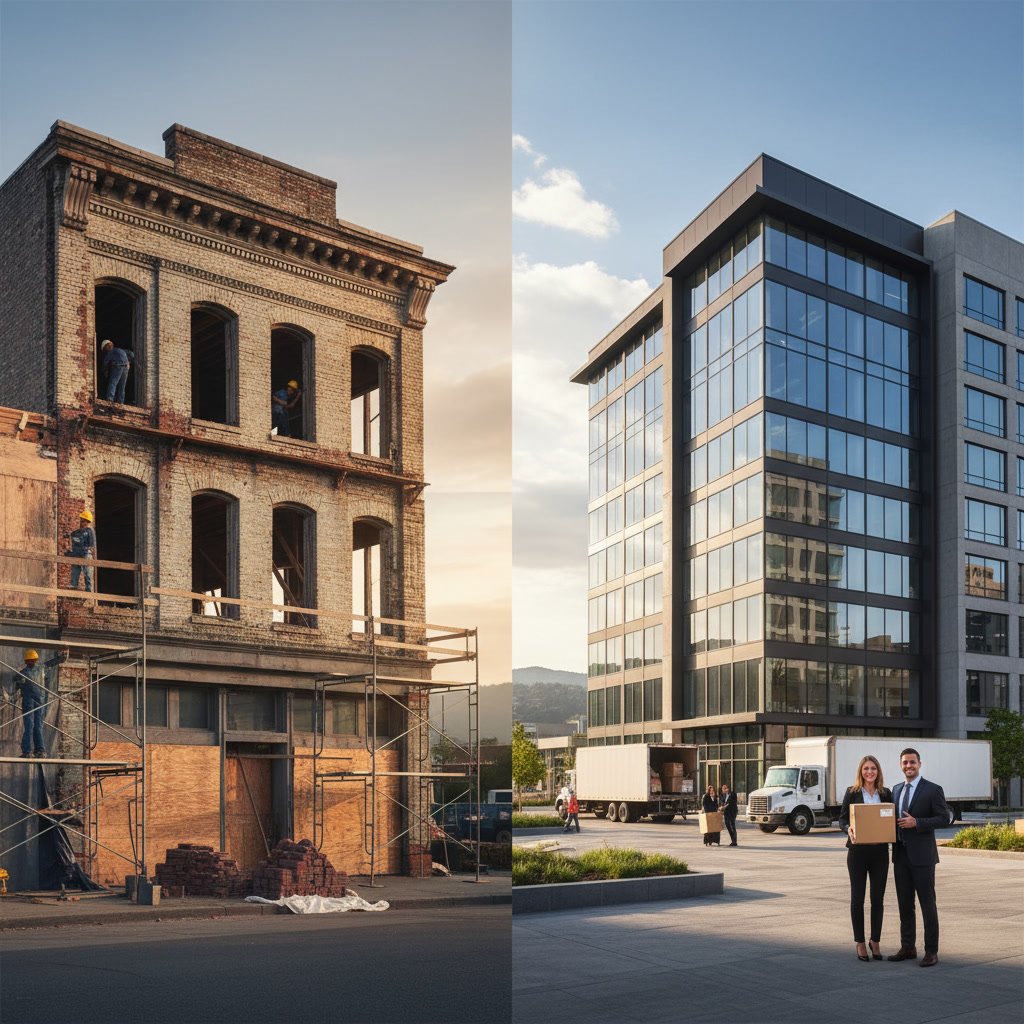
Consider relocating when required upgrades exceed 60 to 70 percent of the cost to move into a newer space. If your building needs a new roof, updated HVAC, and complete interior renovation, compare those costs against tenant improvement allowances available in newer buildings.
Calculate the total cost of ownership over your expected occupancy period. Include rent differences, moving costs, business interruption, and customer communication expenses when comparing remodel vs. relocation options.
Financing Options for Commercial Remodeling
Most businesses don’t pay cash for major remodels. Understanding your financing options helps you move forward with confidence.
Traditional commercial loans through banks typically offer the best rates for property owners. If you own your building, commercial real estate loans for renovations range from 5 to 8 percent interest with terms of five to 20 years. Expect to provide 20 to 30 percent down payment or equity.
SBA 504 loans provide government-backed financing for commercial property improvements. These loans can finance up to 90 percent of project costs with competitive rates and longer terms. The application process takes longer but saves substantial interest over the loan life.
Business lines of credit work well for smaller projects or tenant improvements. You can draw funds as needed during construction and pay interest only on amounts borrowed. Rates typically run 7 to 12 percent depending on your business credit profile.
Equipment financing can cover specialized buildout items like kitchen equipment, HVAC systems, or manufacturing infrastructure. These loans use the equipment as collateral and often have easier qualification requirements than general construction loans.
Working With Commercial Construction Contractors
Choosing the right contractor makes the difference between a successful project and a costly nightmare. Commercial work requires specific expertise beyond residential construction skills.
Verify commercial project experience before hiring any contractor. Ask for references from similar project types and sizes. A contractor experienced in commercial construction understands code requirements, proper scheduling, and how to minimize business disruption.
Get detailed written estimates from at least three qualified contractors. Each estimate should break down costs by trade and include specific materials, labor rates, project duration, and payment schedule. Avoid contractors who provide single-line total cost estimates without supporting detail.
Check license status and insurance coverage before signing contracts. California requires contractors to carry general liability insurance and workers’ compensation coverage. Request certificates of insurance naming your business or property as additionally insured.
Establish a realistic timeline with built-in buffer for delays. Commercial projects typically take 25 to 35 percent longer than initially estimated due to permit delays, material lead times, and unforeseen conditions. A project estimated at three months should have contingency time for four to five months actual duration.
Pro Tip: Request a detailed payment schedule tied to specific milestones, not calendar dates. Never pay more than 10 percent upfront, and retain at least 10 percent until final inspection approval and punch list completion.
Cost-Saving Strategies That Don’t Compromise Quality
You can reduce commercial remodeling costs without sacrificing durability or appearance. Smart planning and selective choices deliver significant savings.
Reuse existing infrastructure when possible. Keeping plumbing fixtures in their current locations saves $5,000 to $15,000 compared to relocating water and drain lines. Similarly, working within the existing electrical panel capacity avoids $10,000 to $25,000 in service upgrade costs.
Choose commercial-grade materials that balance cost and durability. You don’t always need top-tier finishes in back-of-house areas. Specify premium materials where customers see them and value-grade products in storage rooms, mechanical spaces, and employee areas.
Schedule work during slow business periods to avoid costly after-hours labor premiums. Evening and weekend work typically costs 25 to 50 percent more than standard business hours. If your business has seasonal slowdowns, plan major construction then.
Buy owner-furnished materials for specialty items with long lead times. You can often source unique fixtures, appliances, or finishes at better prices than contractor markup. Just ensure your contractor agrees to install owner-furnished items and understands you accept responsibility for any issues.
Frequently Asked Questions
How long does a typical commercial remodel take in the East Bay?
Most commercial remodels take three to six months from permit submission to final inspection. Small office refreshes might complete in six to eight weeks, while full restaurant buildouts can take eight to 12 months. Permit approval alone often requires four to eight weeks in most East Bay cities.
Do I need an architect for commercial remodeling projects?
Projects requiring structural changes, significant code compliance work, or cosmetic updates over $50,000 typically require stamped architectural plans for permit approval. Simple tenant improvements like paint, flooring, and minor partition changes may not need an architect, but verify requirements with your local building department before proceeding.
Can I keep my business open during remodeling?
Many businesses remain partially operational during remodeling by phasing construction. Your contractor can isolate work areas with temporary barriers to contain dust and noise. Expect 20 to 30 percent productivity loss during active construction nearby. Projects requiring electrical or plumbing shutdowns may force temporary closures lasting one to five days.
What permits do commercial remodels require in Richmond and the East Bay?
Most commercial projects require building permits at minimum. Depending on scope, you may also need electrical, plumbing, mechanical, and fire alarm permits. Work affecting the building exterior often requires planning review. Changes to restaurant or food service areas need health department approval. Your contractor should handle all permit applications and inspections.
How does commercial remodeling cost compare to residential projects?
Commercial projects typically cost 30 to 50 percent more per square foot than comparable residential work. The difference comes from commercial-grade materials, stricter code requirements, ADA compliance, higher insurance costs, and specialized labor. However, unlike residential projects such as bathroom remodeling, commercial work often qualifies for business tax deductions that reduce effective costs.
Planning Your Commercial Remodeling Project
Understanding the commercial remodeling cost East Bay businesses face helps you budget accurately and make informed decisions about your project scope. Start with clear goals for what your space needs to accomplish, then work with experienced contractors to develop realistic cost estimates and timelines.
Getting detailed quotes from qualified contractors provides the most accurate picture of your specific project costs. Every building has unique conditions that affect final pricing, from structural quirks to access limitations.
Murillo Construction Painting and Remodeling brings over 30 years of commercial and residential construction experience to projects throughout Richmond, Berkeley, Oakland, and the surrounding East Bay communities. Whether you need a complete office buildout or targeted improvements to refresh your commercial space, we provide detailed estimates and transparent communication throughout your project. Call +15106609596 to discuss your commercial remodeling project and receive a detailed cost assessment tailored to your specific needs.