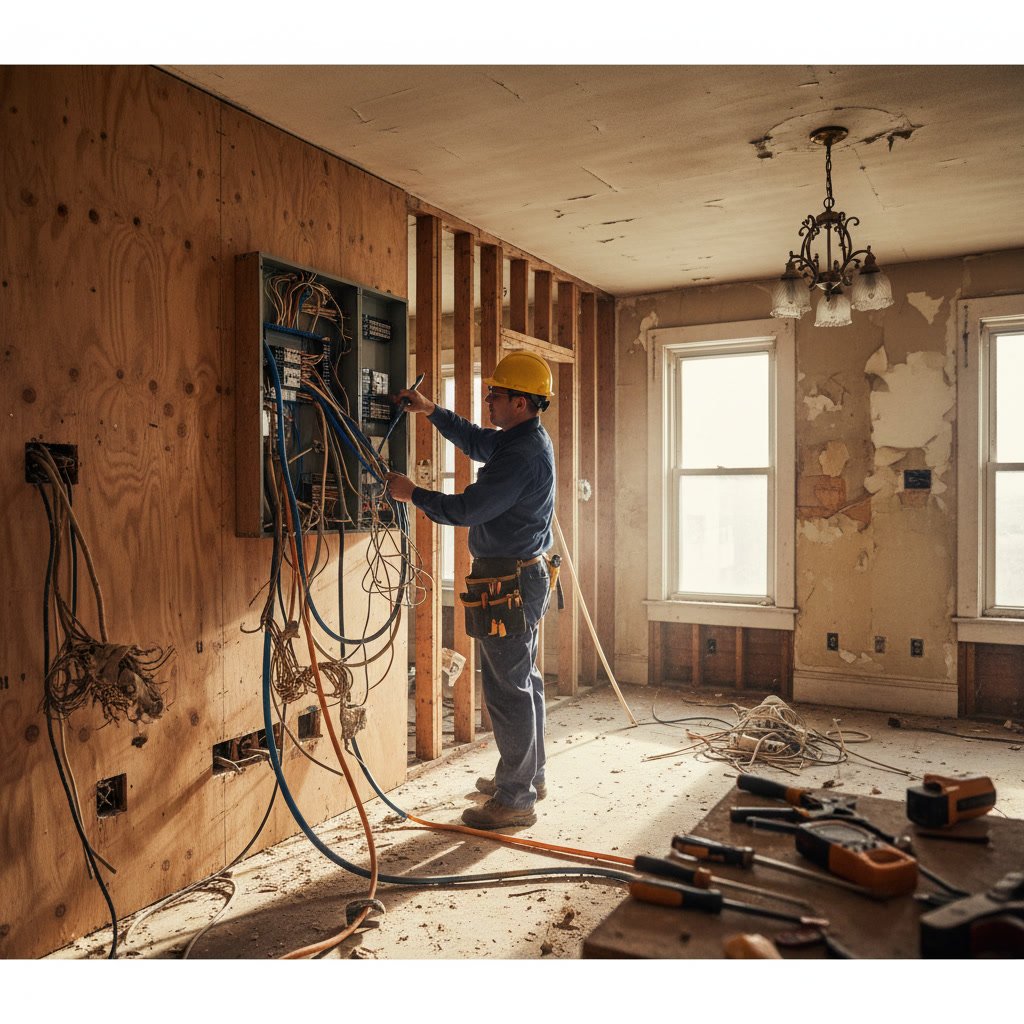
Addressing electrical work before remodel projects can prevent costly delays, safety hazards, and code violations. Older homes often hide outdated wiring, undersized panels, and faulty connections behind walls that only surface once demolition begins. Identifying these issues early allows you to budget properly, pass inspections on the first attempt, and ensure your upgraded spaces function safely for decades.
Why Electrical Assessment Matters Before Any Remodel
Your home’s electrical system is its nervous system. When you plan a remodel, you’re not just changing cosmetic features. You’re often adding new lighting, outlets, appliances, and technology that demand more power than the original system was designed to handle. Ignoring the electrical infrastructure sets you up for permit rejections, fire hazards, and expensive change orders mid-project.
Most building departments require electrical upgrades when you pull permits for significant renovations. An inspector who spots aluminum wiring or a 60-amp panel during a kitchen remodeling project will halt work until you bring the system up to code. Planning electrical improvements from the start keeps your timeline on track and your family safe.
Your Circuit Breaker Trips Frequently
Circuit breakers trip to protect your home from electrical overload. If you reset breakers more than once or twice a year, your system is telling you it can’t handle your current demand. This problem only worsens when you add recessed lighting, heated floors, or high-draw appliances during a remodel.
Frequent tripping often indicates undersized circuits, too many devices on a single circuit, or a breaker box nearing the end of its service life. Before you start any renovation, have a licensed electrician map your circuits and calculate the load you’ll add. Upgrading to a 200-amp panel with dedicated circuits for new features prevents nuisance trips and meets modern code requirements.
You See Two-Prong Outlets Throughout the House
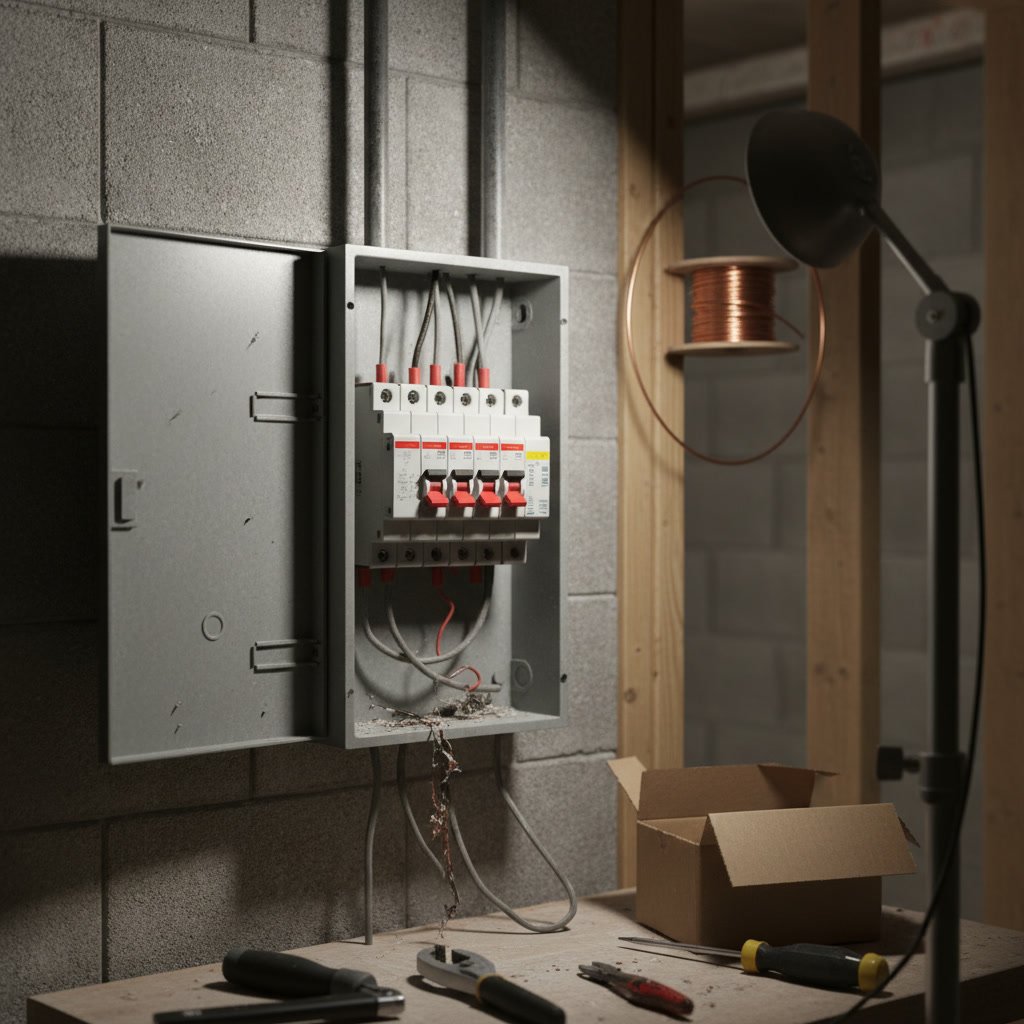
Two-prong outlets signal the absence of a ground wire, a critical safety feature required in modern electrical systems. Ungrounded outlets increase the risk of shock, equipment damage, and fire. They also fail to meet code for any new or renovated space.
Simply replacing two-prong receptacles with three-prong versions does not solve the problem. True grounding requires running new wire or installing GFCI protection. If your bathroom remodeling plan includes new vanity lights and outlets, you’ll need proper grounding to pass inspection. Address this issue before you open walls to save labor costs and avoid patchwork solutions.
The Electrical Panel Shows Rust or Scorch Marks
Rust inside your panel indicates moisture intrusion, which corrodes connections and creates fire hazards. Scorch marks or a burning smell point to overheating caused by loose wires, overloaded circuits, or failing breakers. Either condition demands immediate professional attention.
An electrician will assess whether you need panel repair or full replacement. If your panel dates from the 1980s or earlier and bears brands like Federal Pacific or Zinsco, replacement is almost always necessary. These panels fail to trip reliably during overloads, creating severe fire risks. Upgrading now protects your investment and ensures your remodel starts with a solid foundation.
Lights Dim When Appliances Turn On
Dimming lights reveal voltage drops caused by inadequate wiring, loose connections, or an overloaded circuit. When your microwave or hair dryer causes lights to flicker, the circuit is struggling to deliver power to multiple devices simultaneously.
This issue becomes critical during remodels that introduce high-demand features like electric ranges, tankless water heaters, or central air conditioning. A proper electrical assessment measures voltage stability and identifies circuits that need upgrading. Correcting this before construction begins ensures your new appliances operate efficiently and safely.
Your Home Was Built Before 1980 in Berkeley or Surrounding Areas
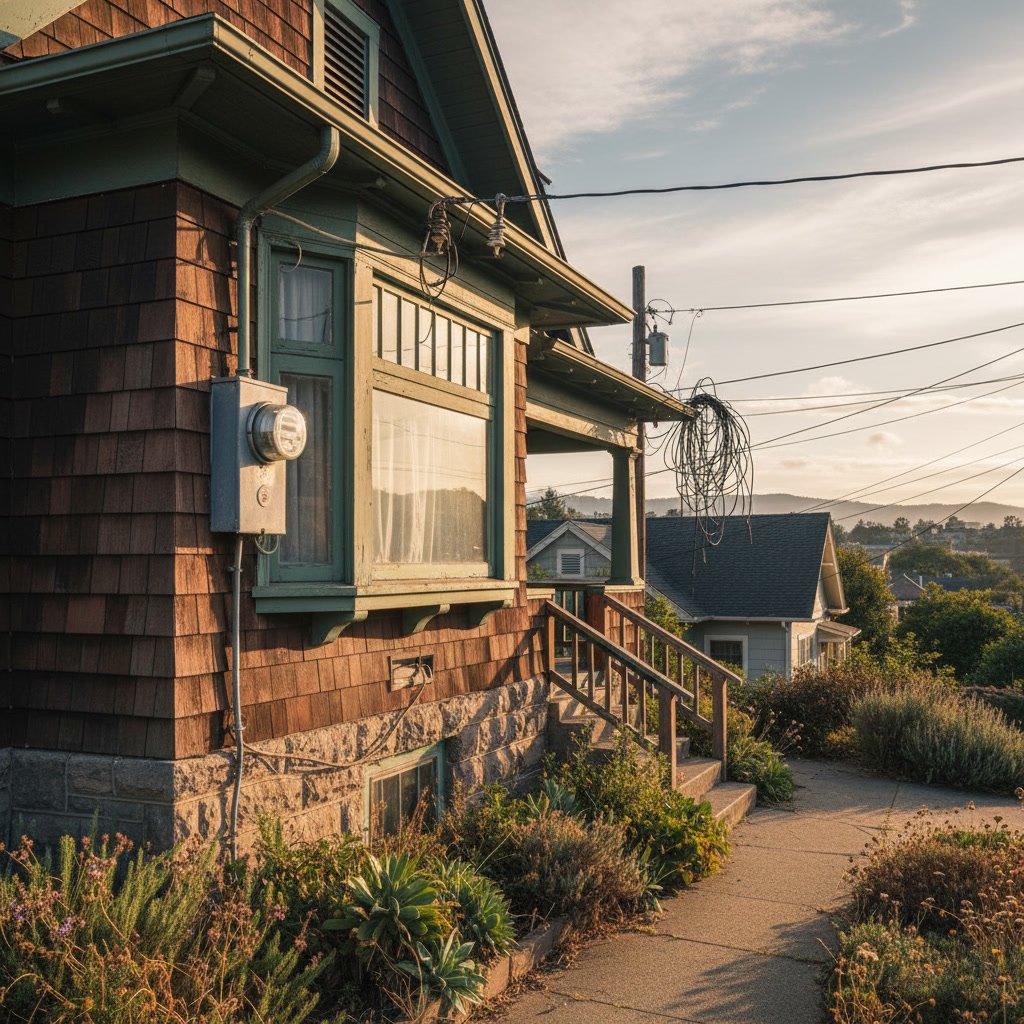
Homes built before 1980 often contain aluminum wiring, which expands and contracts with temperature changes more than copper. This movement loosens connections over time, creating hot spots and fire hazards. Federal Pacific and Zinsco panels from this era are notorious for failing to trip during faults.
Bay Area homes of this vintage also frequently have undersized service. A 100-amp or smaller panel struggles to support modern living, especially when you add central heating, upgraded kitchens, or home offices. Murillo Construction Painting and Remodeling has worked in Berkeley and surrounding communities for over 30 years and routinely encounters these issues in pre-1980 homes. Addressing them before you begin a remodel prevents mid-project surprises and ensures compliance with current California electrical codes.
You Plan to Add High-Demand Features
Modern kitchens and bathrooms place far greater electrical demands than their predecessors. Induction cooktops, double ovens, heated towel racks, and steam showers each require dedicated circuits. Installing these features on existing circuits creates overload conditions that trip breakers and void manufacturer warranties.
Before you finalize your design, list every electrical device you plan to install. Include lighting, outlets, small appliances, and built-in features. Share this list with your electrician so they can calculate total amperage and design a circuit layout that supports your vision. This planning step prevents the disappointment of scaling back features mid-project because your panel can’t handle the load.
Outlets or Switches Feel Warm to the Touch
Warm outlets or switches indicate loose connections or overloaded circuits. Heat at a connection point degrades wire insulation and increases fire risk. This symptom requires immediate inspection, not a wait-until-the-remodel approach.
An electrician will tighten connections, replace worn devices, and verify that circuits aren’t carrying excessive load. If multiple outlets share this problem, you likely need circuit upgrades or panel work. Solving this issue before you invest in new finishes protects your home and your renovation budget.
You Smell Burning Plastic or See Discolored Outlets
A burning smell near outlets or discoloration around receptacles signals dangerous overheating. The plastic housing melts when connections arc or carry too much current. This condition can ignite surrounding materials and must be addressed immediately.
Never proceed with a remodel if you notice these symptoms. An electrician will identify the cause, which might involve faulty wiring, counterfeit devices, or circuit overload. Repairs typically involve replacing receptacles, tightening connections, and redistributing load across circuits. In severe cases, you may need to rewire sections of your home. Understanding how electrical systems differ in new construction versus remodeling helps you appreciate why existing wiring sometimes needs complete replacement.
Your Remodel Requires a Building Permit
Most residential construction projects that involve structural changes, plumbing, or electrical work require permits. When inspectors review your plans and visit your site, they examine not just the new work but also the existing conditions they can see.
An inspector who spots code violations in your electrical system may require you to bring it up to current standards before approving your remodel. Common issues include missing GFCI protection in wet areas, improper wire gauges, and outdated panels. Proactively upgrading your electrical system before you apply for permits prevents delays and allows you to fold these costs into your overall project budget.
Getting Your Home Ready for a Safe and Compliant Remodel
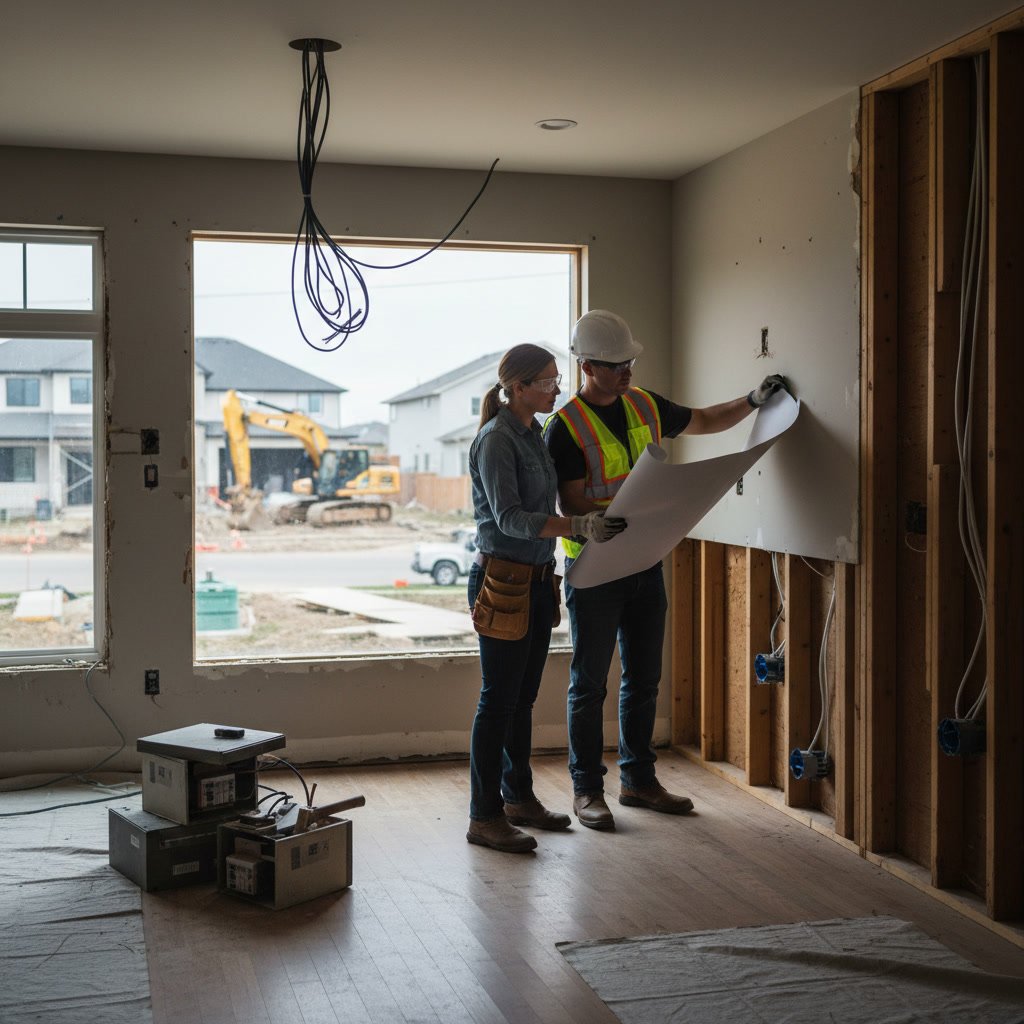
Smart homeowners treat electrical assessment as the first step in any remodel, not an afterthought. Scheduling an electrical work consultation before you finalize your design gives you accurate cost projections and prevents mid-project shocks. An electrician can identify immediate safety hazards, calculate your service capacity, and recommend upgrades that support your plans while meeting code.
This proactive approach also improves your project timeline. When electrical work happens before demolition, crews can access panels and run new circuits without navigating construction debris or waiting for other trades to finish. You’ll avoid the frustrating experience of selecting appliances only to discover your panel can’t support them.
Whether you’re updating a single room or tackling a whole-house renovation, your electrical system deserves attention before the first wall comes down. With over 30 years of experience in Bay Area remodeling, Murillo Construction Painting and Remodeling understands how electrical challenges impact project success. Our team coordinates all trades to deliver safe, code-compliant results that protect your investment. Reach out to discuss your project and schedule an assessment at +15106609596.